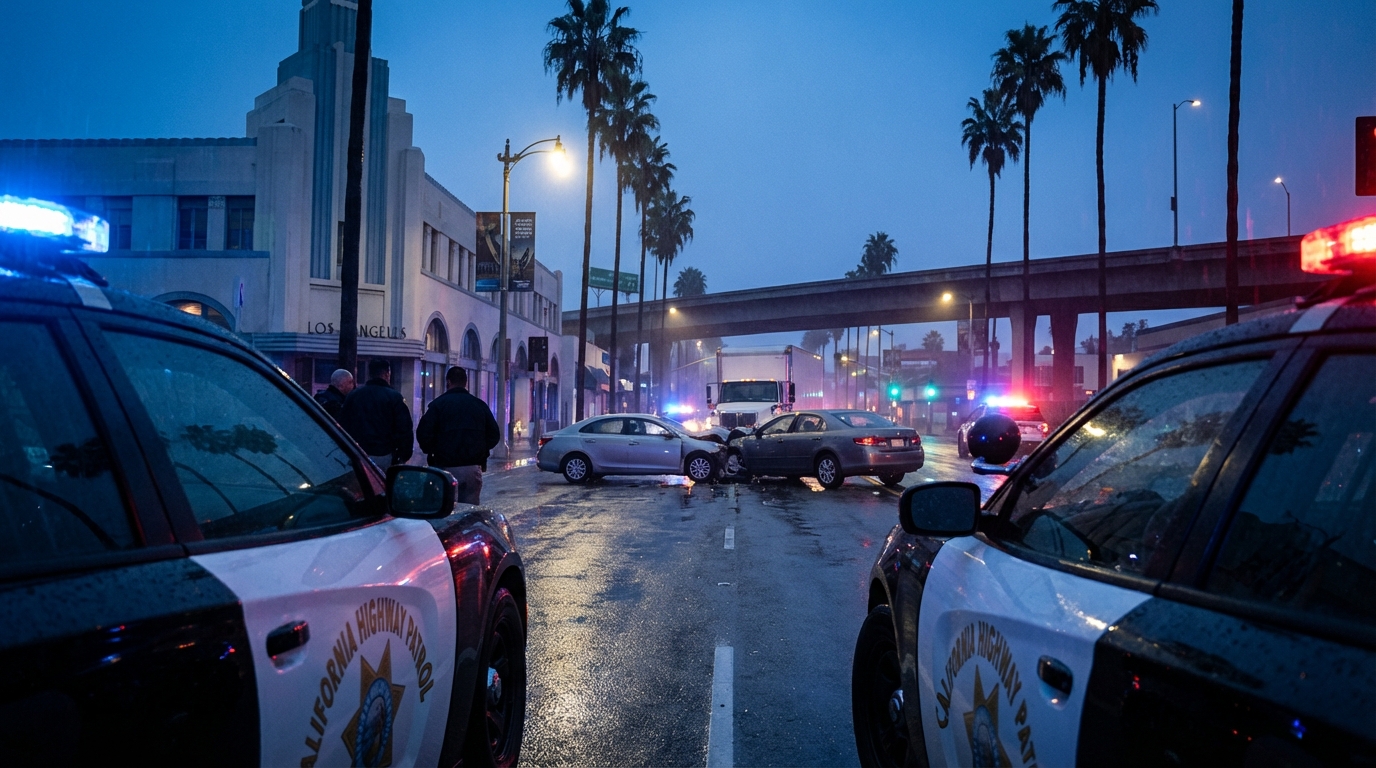
A car crash can turn a normal day into pure confusion. One second we're driving to work, school, or home, and the next we're dealing with pain, fear, traffic, and a ringing phone. In those first few minutes, it's hard to think straight. That's normal.
If we've been seriously hurt, the first goal is simple, protect our health. After that, the right steps can help preserve proof, reduce stress, and support any injury claim that follows. Think of the first hour after a crash like the foundation of a house. If we set it right, everything that comes after is stronger.
This guide lays out a clear plan for what to do immediately after a car accident in San Diego, one step at a time.
Start with safety, medical help, and calling 911
Right after a crash, our brains often go into survival mode. We may feel shaky, angry, stunned, or oddly calm. Still, the first job is the same in every San Diego car accident, get safe and get help.
If the vehicles can move and it's safe to do so, we should pull out of traffic, turn on hazard lights, and stay where other drivers can see us. A busy road can become more dangerous than the first impact. Secondary crashes happen fast, especially on freeways and major intersections.
Then we should call 911. A police response matters for two reasons. First, officers can help secure the scene and call medical help. Second, the report may later become a key piece of the claim. When insurance companies question what happened, that report often becomes an early anchor.
If anyone has bleeding, severe pain, dizziness, numbness, confusion, trouble breathing, or possible head, neck, or back injuries, we should ask for emergency care right away. Even if symptoms seem mild, it's smart to get checked. Adrenaline can hide a lot in the first few hours.
After a crash, feeling "mostly okay" doesn't always mean we're uninjured.
Soft-tissue damage, concussions, internal injuries, and spinal problems may show up later. Because of that, getting prompt care protects both our health and the medical record that connects the injuries to the wreck.
Move to a safer spot only if it does not put us at more risk
Moving after a crash isn't always the right call. If there's heavy traffic, fire, smoke, leaking fuel, or a serious injury, staying put may be safer until first responders arrive.
We also should avoid moving someone with possible spinal trauma unless there's immediate danger. Neck and back injuries can get worse with the wrong movement. If we can stay in place safely, it's often better to wait for paramedics.
In short, we should move only when it lowers risk, not when it adds more.
Get medical attention right away, even if symptoms seem minor
A lot of crash victims feel overwhelmed and freeze. That makes sense. There are so many questions at once, who to call, where to go, what to say, how to get home. Still, medical care should stay near the top of the list.
Prompt treatment does two things. First, it helps doctors catch injuries before they worsen. Second, it creates a timeline. If we wait too long, insurers may argue the pain came from something else.
Urgent care, the ER, a primary doctor, or follow-up specialists may all play a role. What matters is getting seen and following through.
Gather the right evidence before the scene changes
Crash scenes change fast. Cars get towed. Witnesses leave. Skid marks fade. Rain washes debris away. If we're physically able, we should gather basic evidence before it disappears.
Start with the other driver's name, contact details, insurance information, license plate number, and vehicle make and model. If there are passengers, it helps to note their names too. Then look around for witnesses. An independent witness can make a huge difference later, especially if fault becomes disputed.
We should also pay attention to the scene itself. Road conditions, traffic lights, lane markings, broken glass, vehicle positions, and weather can all matter. What looks minor at the time may later explain exactly how the crash happened.