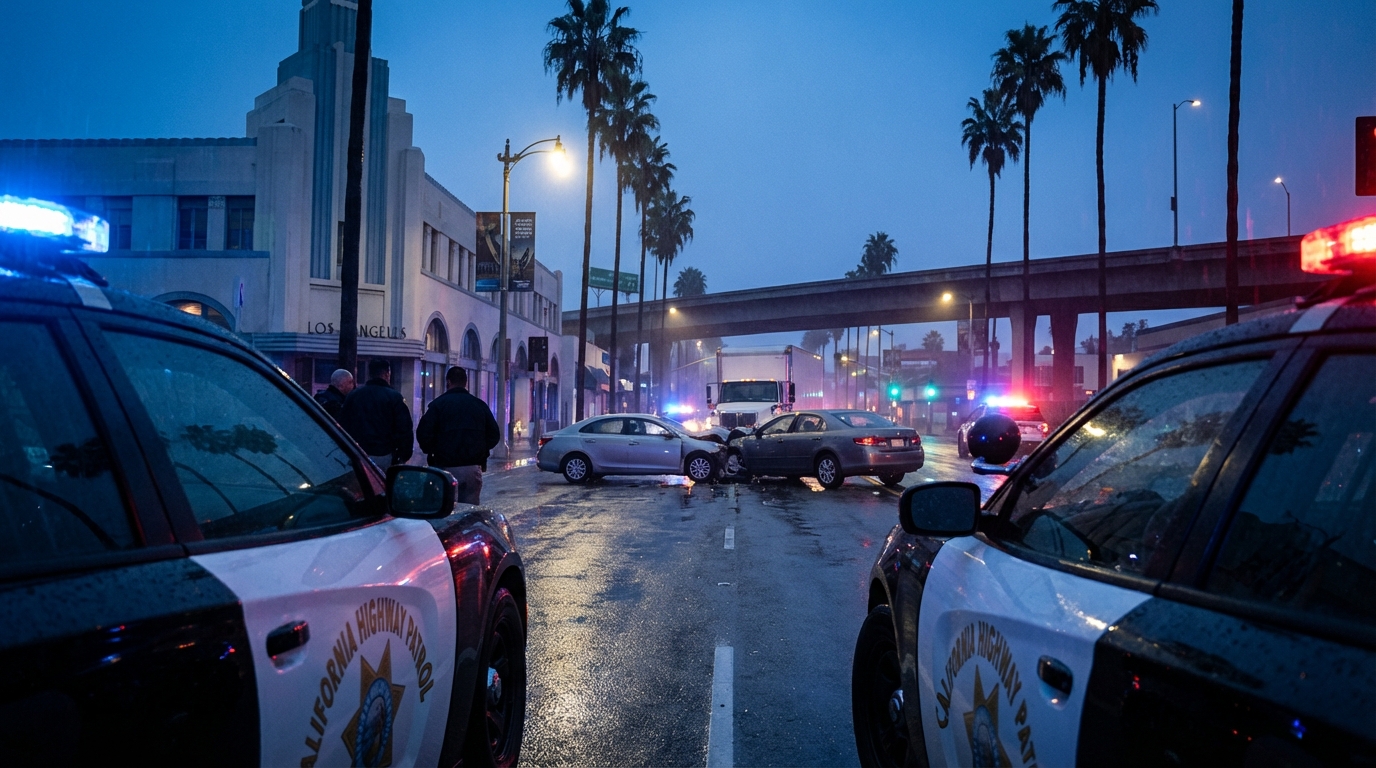
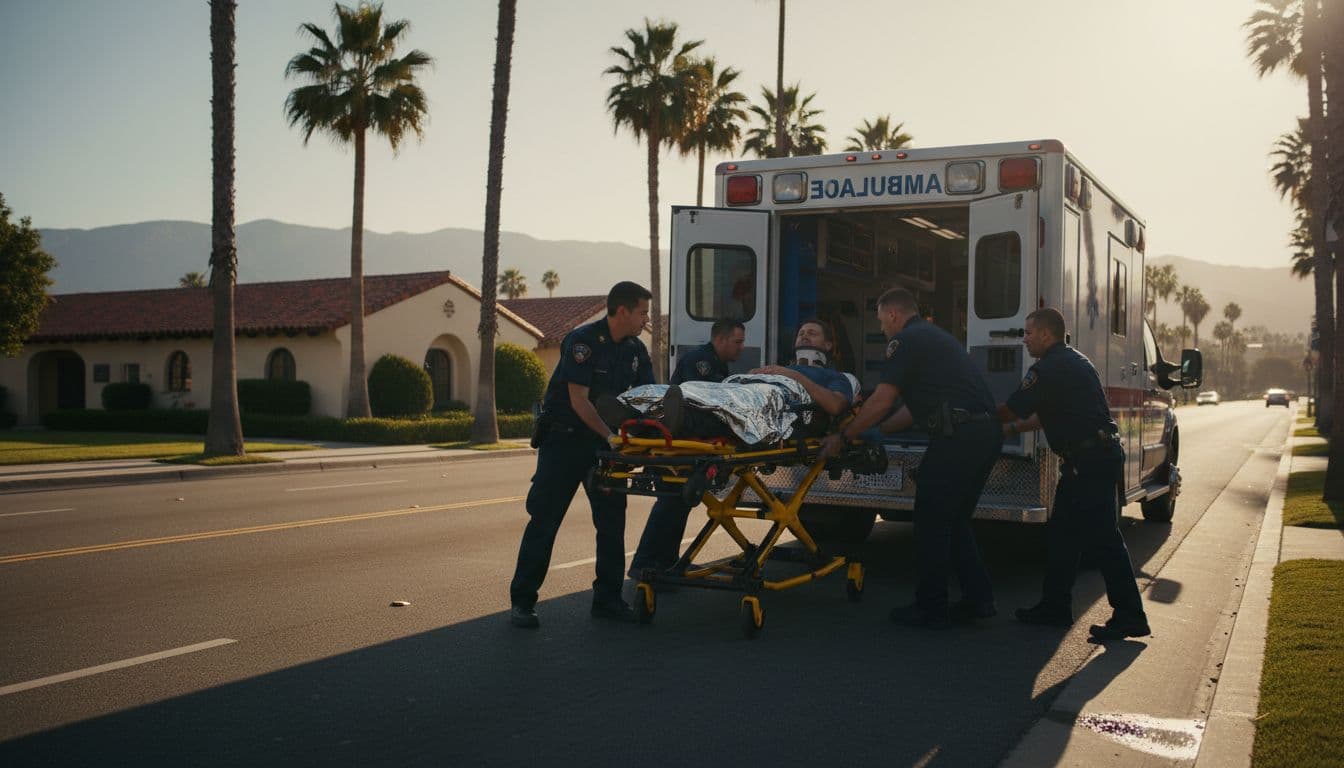
Uninsured and underinsured motorist coverage is the part of your own California auto policy that pays when the driver who hurt you has no insurance or not enough of it. It is first-party coverage you already bought, and using it is not the same as suing your own insurer.
One of the hardest calls I take is from someone who did everything right, was hit by a driver who carried nothing, and assumes there is no way to be made whole. My name is Ronald B. Laba. I have practiced personal injury law from my Vista office since 1991, and in San Diego County these calls are common. California's minimum liability limit is $15,000 per person for bodily injury, which a single ambulance ride and emergency room visit can exhaust.
What UM and UIM coverage actually are
Uninsured motorist (UM) coverage applies when the at-fault driver had no liability insurance at all, or in a qualifying hit-and-run where the vehicle is never identified. Underinsured motorist (UIM) coverage applies when the at-fault driver had insurance, but the limits are too low to cover the harm done.
California Insurance Code section 11580.2 requires insurers to offer this coverage on every private passenger auto policy issued in the state. You can reject it, but the rejection has to be in writing. If you never signed a waiver, there is a good chance the coverage is on your policy even if you do not remember choosing it.
How underinsured coverage is calculated in California
This is the part that surprises people. California UIM is not stacked on top of the other driver's payment. Your UIM limit is reduced by whatever the at-fault driver's liability insurer pays. If you carry $100,000 in UIM coverage and the at-fault driver's insurer pays its $25,000 limit, the most your UIM claim can add is $75,000.
That math is why the amount of coverage you carry matters more than most drivers realize, and why UIM limits below your own liability limits leave a gap. It is also why you should never accept and cash a liability settlement without first checking your own policy and giving your insurer written notice.
Hit-and-run and phantom vehicle claims
North County sees its share of hit-and-run collisions on Highway 78, along Melrose Drive, and in parking lots around Vista and Oceanside. UM coverage can apply to a hit-and-run, but California adds requirements: the collision generally must involve actual physical contact with the unidentified vehicle, and the incident must be reported to police or the DMV within 24 hours, with a sworn statement to your insurer within a set period.
A driver who runs you off the road without touching your car — a "phantom vehicle" — creates a much harder claim under the contact requirement. Independent corroboration, dashcam footage, and prompt reporting matter enormously in those cases.
Steps that protect a UM or UIM claim
- Report the collision to law enforcement the same day when a driver flees.
- Request a full copy of your own auto policy declarations page, not just a summary.
- Notify your own insurer in writing that a UM or UIM claim may be coming, even before you know the other driver's limits.
- Do not sign a release with the at-fault driver's insurer until your own carrier has consented in writing.
- Keep every medical record and bill; a UM claim is proved with the same documentation as a liability claim.
Why a UM claim is still an adversarial process
People assume that because they are dealing with their own insurer, the process will be friendlier. In practice, your carrier is now the party paying, and it evaluates causation, treatment, and value the way any defense-side adjuster would. Many California policies require these disputes to go to arbitration rather than a jury trial. The strategy differs from a standard liability claim, and the deadlines in the policy contract are separate from the two-year filing deadline in Code of Civil Procedure section 335.1.
If you are working through the claim process generally, my guide to dealing with insurance adjusters covers the ground rules, and my page on what drives case value explains how damages are documented. For crash-specific steps, see the San Diego car accident guide and my auto accident practice page.
Frequently Asked Questions
Q: Will making an uninsured motorist claim raise my premium? A: California Insurance Code section 491 restricts an insurer from surcharging a policyholder solely for a claim in which the policyholder was not principally at fault, though you should confirm how your specific carrier applies it.
Q: Can I use UM coverage if I was a pedestrian or on a bicycle? A: Often yes. UM coverage generally follows the insured person, not just the insured car, so a household policy can apply when you are struck while walking or riding. The policy language controls.
Q: How long do I have to bring a UIM claim? A: The deadline comes from your policy and from statute, and it can run differently than the two-year personal injury deadline. Because those periods can be shorter than people expect, the policy should be reviewed early.
Q: Do I have to accept the other driver's policy limits first? A: Generally you must exhaust the at-fault driver's liability limits before UIM pays, and you need your own insurer's written consent before signing that release. Settling without consent can forfeit the UIM claim.
If you were hit by an uninsured or underinsured driver in San Diego County, you can reach my office for a free consultation at (760) 940-6231.
This is general information, not legal advice. Prior results do not guarantee a similar outcome.