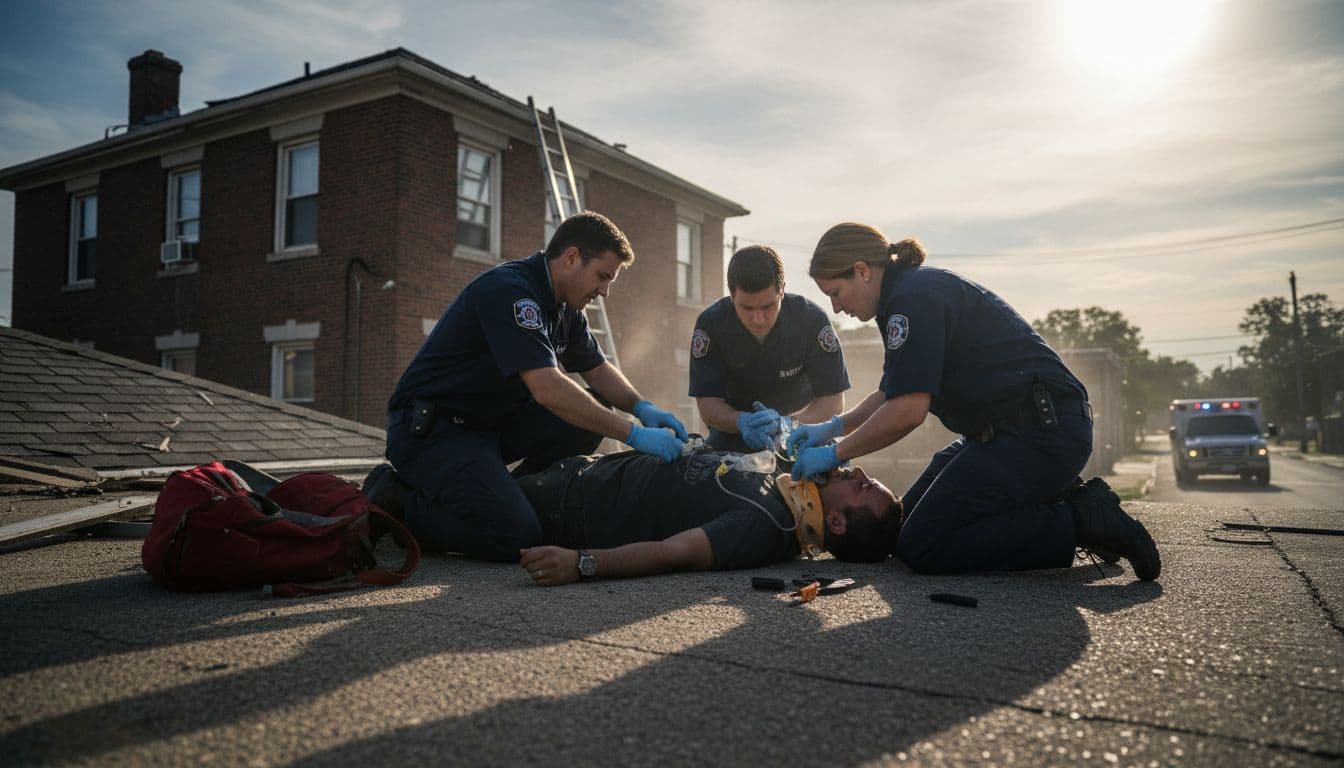
Neck & Back Injuries
Neck and back injuries from accidents can cause chronic pain and disability. Our San Diego attorneys help victims recover compensation for treatment, lost wages, and suffering.
“I wanted to take a moment to sincerely thank you for everything you did to help me with my case. Your knowledge, diligence, and attention to details made a meaningful difference in helping establish the information needed to support my VA rating. You were thorough and responsive, and you never made us feel like our questions or concerns were a burden. Most of all, we are grateful for the compassion you showed us. Thank you again for your professionalism, your compassion, and for treating us like people rather than simply another case.”
Quick Answer
Neck and back injuries from accidents can cause chronic pain and disability. Our San Diego attorneys help victims recover compensation for treatment, lost wages, and suffering. The Law Offices of Ronald B. Laba has been practicing since 1984, handling neck & back injuries cases in San Diego County. Free consultations available — call (760) 940-6231.
One sudden crash or hard fall in San Diego can leave us with burning neck pain, a stiff back, and a life that feels upside down. We may be worried about missing work, keeping up with rent or the mortgage, and what this pain means for our long‑term health. On top of that, the calls from insurance companies and the stack of medical bills can feel like too much.
A San Diego neck and back injuries attorney focuses on serious spine and soft‑tissue injuries, not quick, minor claims. These cases often involve MRI scans, specialist care, and long recovery times, so they need careful proof and firm pushback against insurance tactics. Our firm has spent more than 30 years handling thousands of serious cases from auto, motorcycle, truck, bicycle, pedestrian, and slip and fall accidents, and we know how hard these injuries hit real families.
In this guide, we’ll walk through what to do next, how these claims work, and how to protect both our health and our case. We’ll also explain how we handle the insurance companies for you, how you can get a free case consultation, and why you don’t pay any fees unless we recover money for you. If your neck or back was injured in a crash, you can start learning your options right now, and if your injury came from a wreck, you can also see how a San Diego auto accident injury lawyer on our team approaches these claims.
How Neck and Back Injuries Happen in San Diego Accidents
Neck and back injuries often come from a single violent moment, but the fallout can last months or years. In a city like San Diego, with crowded highways, busy surface streets, and packed shopping areas, those moments are sadly common. Understanding how these injuries happen can help us connect the dots between the crash or fall and the pain we are living with now.
Common Accidents That Lead to Neck and Back Trauma
Neck and back trauma almost always involves a sudden force that whips or compresses the spine. In San Diego, we see certain patterns repeat again and again.
1. Rear‑end and side‑impact crashes on busy roads
On I‑5, I‑8, the 163, or streets like La Jolla Village Drive and Pacific Highway, traffic is heavy and often stop‑and‑go. Common crash types include:
Rear‑end collisions, where our car is hit from behind and our head snaps forward and back.
T‑bone or side‑impact crashes, where another vehicle slams into the side of our car at an intersection or when changing lanes.
Even low‑speed impacts can strain the soft tissues in the neck and back or damage spinal discs. Many clients are surprised when a “minor” fender‑bender leads to serious pain days later. When these neck and back injuries come from a car crash, they often tie directly into a broader San Diego auto accident injury claim.
2. Motorcycle and bicycle collisions
San Diego’s mild weather and coastal routes attract riders year‑round. Motorcyclists and cyclists do not have the protection of a vehicle frame, airbags, or seat belts. When a car cuts them off, opens a door into their path, or rear‑ends them, the result can be:
Direct impact to the spine on the pavement.
Twisting forces as the body is thrown from the bike.
Multiple contact points in a slide or rollover.
These crashes can cause everything from whiplash to fractured vertebrae, even at moderate speeds.
3. Pedestrian knockdowns
In crosswalks, parking lots, and along neighborhood streets, pedestrians are extremely exposed. Being struck by a car, or even clipped by a mirror or bumper, can send us to the ground in an awkward, uncontrolled fall. The spine can be injured in two ways:
From the first impact with the vehicle.
From the second impact when we hit the pavement.
Our firm regularly sees serious back and neck injuries in pedestrian accident cases, often along with broken bones or head trauma.
4. Truck and bus collisions
San Diego County sees heavy truck traffic moving between Los Angeles and the border. When an 18‑wheeler or bus is involved, the forces are far higher because of the size and weight difference. Common scenarios include:
Highway rear‑ends in congestion.
Lane‑change sideswipes.
Jackknife or rollover events that crush smaller vehicles.
These crashes often lead to complex, multi‑level spinal injuries and long‑term disability, and they are handled differently from a simple car‑against‑car case because large trucking and bus companies are usually involved.
5. Slip and falls in stores, parking lots, and workplaces
Not every neck or back injury comes from a vehicle. We also see many clients hurt in:
Grocery and retail stores with wet floors or cluttered aisles.
Parking lots with potholes, broken concrete, or poor lighting.
Workplaces and construction sites with unsafe surfaces or missing railings.
When we slip, trip, or fall, our instinct is to twist or reach out to catch ourselves. That quick movement can tear muscles, stress ligaments, or compress spinal discs. Our slip and fall accident team regularly traces serious back pain to what seemed like “just a bad fall” at first.
Across all these settings, the common theme is a sudden, unexpected impact in a busy, crowded environment. That instant may be over, but the damage to the spine can keep changing long after.
Types of Neck and Back Injuries We Commonly See
Neck and back injuries cover a wide range. Some heal with time and care, others change the course of a person’s life. Here are the types we see most often and how they affect day‑to‑day living.
Whiplash
Whiplash is a soft‑tissue injury to the neck. It happens when the head is snapped forward and backward quickly, stretching muscles, ligaments, and tendons beyond their normal range. Symptoms can include:
Neck pain and stiffness.
Headaches.
Limited range of motion.
Dizziness or fatigue.
Many people hear “whiplash” and think it is minor. In real life, it can make driving, working at a desk, or even turning the head while crossing the street very painful.
Disc bulges and herniations
Between each vertebra sits a disc that works like a cushion. A sudden impact can cause:
A bulging disc, where the disc pushes outward.
A herniated disc, where the inner material leaks out.
These changes can press on nerves in the neck or back, leading to sharp pain, numbness, or weakness that can travel into the arms or legs. MRIs often confirm these injuries, and they can require injections or surgery if conservative care does not help.
Pinched nerves (radiculopathy)
When a disc, bone spur, or swelling presses on a nerve root, we get a “pinched nerve.” People often describe:
Burning or electric pain.
Numbness or tingling.
Loss of strength in a hand, arm, foot, or leg.
This can make simple tasks, like gripping a mug or climbing stairs, unexpectedly hard.
Spinal fractures
A fracture in the spine can range from a small compression fracture to a serious break that threatens spinal cord function. These often come from:
High‑speed car or truck crashes.
Falls from height.
Direct impact to the back.
Spinal fractures may need bracing, surgery, and strict activity limits for months. They also raise the risk of arthritis and chronic pain later.
Soft‑tissue strains and sprains
Strains and sprains affect muscles, tendons, and ligaments around the spine. Symptoms include:
Localized soreness.
Muscle spasms.
Stiffness that worsens after activity.
Soft‑tissue injuries do not always show up clearly on X‑rays or even MRIs, yet they can be disabling. It is common for someone with a “simple sprain” to struggle with getting out of bed, lifting a child, or sitting through a workday.
Spinal cord injuries
In the most severe crashes and falls, the spinal cord itself can be bruised, stretched, or cut. These injuries can cause:
Partial or total paralysis.
Loss of sensation.
Loss of bladder or bowel control.
These are life‑changing events that often require long hospital stays, rehab, and major home and lifestyle changes.
Why symptoms often change over time
One key thing we stress with clients is that neck and back symptoms often:
Start small, then worsen over days or weeks as inflammation builds.
Move or spread, for example, neck pain that later includes tingling in the fingers.
Flare with activity, even if rest feels okay.
This delay is one reason early medical care matters so much. A doctor can document the full picture, order the right tests, and link the injury to the accident before insurance companies try to argue that the pain “came from somewhere else.”
Having legal help early is just as important. When we are building a neck or back injury claim, detailed medical records, imaging, and consistent treatment history are a big part of proving what really happened inside the spine.
Why These Injuries Disrupt Your Life So Deeply
Neck and back injuries hit us in the core of how we move, work, and care for people we love. They are not just about pain, they change daily life in ways that outsiders often do not see.
Constant pain and broken sleep
Many clients describe pain that:
Spikes when they move the wrong way.
Lingers as a dull ache all day.
Wakes them up at night when they roll over.
Poor sleep slows healing, drains patience, and makes it harder to keep up with work, kids, and basic chores. Over time, it can feed anxiety and depression.
Limits on lifting, sitting, and standing
Neck and back injuries can turn simple tasks into problems:
Sitting at a computer for 30 minutes may cause burning pain.
Standing in a checkout line can feel like running a marathon.
Lifting a laundry basket, a toddler, or groceries may be off‑limits.
When our job involves driving, lifting, or physical labor, these limits can mean missed work or even a forced career change. The lost income and fear about the future are part of the harm, not side issues.
Impact on caring for family
Many of us are the ones who:
Carry young children.
Help an older parent move around.
Drive family members to appointments or school.
When a neck or back injury makes those things hard or impossible, the guilt and frustration can be as heavy as the physical pain. We hear this often from clients who feel like they are letting their families down, even though they did nothing wrong.
The hidden crisis: appointments, bills, and insurance calls
On top of physical pain, there is a second crisis that starts after a serious injury:
Multiple doctor visits, imaging appointments, and therapy sessions each week.
Medical bills arriving with confusing codes and unexpected balances.
Calls from adjusters asking for recorded statements, releases, and “quick” settlements.
Trying to juggle this while hurting and exhausted is like trying to run a maze blindfolded. This is where a focused San Diego neck and back injury lawyer steps in as a buffer. Our job is to deal with insurance companies, track records, and protect deadlines so clients can focus their limited energy on healing.
For many people, reading through a clear post‑accident steps guide is the first time they feel some control return after the chaos of an injury.
Emotional strain and identity loss
When pain keeps us from:
Working the job we trained for.
Exercising the way we used to.
Enjoying hobbies, from surfing to cycling to playing with kids,
it can feel like a piece of our identity has been stripped away. This emotional harm is real, and it belongs in the conversation about fair compensation.
A good neck and back injury attorney does more than list medical terms. We take the time to understand how the injury has changed sleep, work, family roles, and mental health. Then we use that full picture when we fight for compensation, so the claim reflects a person’s whole life, not just their X‑rays.
What To Do Right After a Neck or Back Injury in San Diego
Those first hours after a neck or back injury are stressful and foggy. We may not know how badly we are hurt or what to say to anyone. These simple steps help us protect both our health and our legal rights from the very beginning.
Protect Your Health First: Medical Care and Documentation
Neck and back injuries often start as a “pull” or “stiffness” and then get worse in the days that follow. Adrenaline can hide serious damage. That is why getting checked quickly is one of the most important things we can do after an accident in San Diego.
Right after the injury, we should choose the safest medical option we can reach:
Call 911 or go to the ER if we have severe pain, trouble walking, weakness, numbness, or loss of bladder or bowel control.
Use urgent care if symptoms are moderate, like sharp pain, muscle spasms, or pain that keeps us from normal tasks.
See our primary doctor as soon as we can for milder pain or follow up care.
If the first visit is at the ER or urgent care, the next step is just as important. We should:
Follow up with our primary care doctor so they can track symptoms.
See specialists like orthopedic doctors, neurologists, or pain management doctors if we are referred.
Start physical therapy or other treatment that is recommended, and stick with it.
Insurance companies like to argue that an injury must not be serious if we delay care or skip appointments. Consistent treatment tells a very different story.
It also helps to treat medical paperwork like gold. We should save:
Discharge papers and visit summaries.
X‑ray, CT, and MRI reports.
Physical therapy notes.
Prescription lists and receipts.
Any work excuse notes or restrictions.
Good documentation is what turns our pain into proof. Insurers often look for gaps in care or missing records to weaken a claim. A complete paper trail helps show how the neck or back injury affected our daily life, our job, and our long‑term health. Resources like the firm’s guide on why keeping receipts and records matters for a claim can help us understand how documented expenses become powerful evidence.
When we are hurting, dealing with appointments and paperwork feels like a second job. But in a neck or back injury case, those details are often the difference between a weak offer and a fair settlement.
Steps to Protect Your Legal Rights at the Scene and Afterward
While doctors handle our body, we can take a few simple steps to protect our case. We do not need to become a detective. Small actions can go a long way.
If we are in a car crash, slip and fall, bike accident, or other incident that hurts our neck or back, we should try to:
Report the accident.
For vehicle crashes, call the police and ask for an officer to respond.
For falls in stores, parking lots, or workplaces, report it to the manager, property owner, or supervisor and ask for a written incident report.
Get contact information.
Names, phone numbers, and emails of witnesses.
Names and insurance details of any drivers involved.
Property owner or business information if we fell.
Take photos and short videos if we can.
Helpful images include:Vehicle positions, skid marks, and damage.
Wet floors, broken concrete, missing handrails, or other hazards.
Lighting conditions and any warning signs, or lack of signs.
Visible injuries, like bruising, swelling, or cuts around the neck or back.
Stay calm and avoid arguing.
We should not yell, admit fault, or accuse others on the spot. Simple statements like “I am hurt and need medical help” are enough.
Evidence after a crash or fall is fragile. Skid marks fade, stores mop floors, broken steps get fixed, camera footage is deleted, and witnesses disappear. The firm often talks about how there is a “time bomb” on important evidence after an accident, which is why their article on essential steps to protect your claim stresses acting quickly.
When clients call early, our team can:
Send investigators to photograph the scene, damaged vehicles, and hazards.
Track down and interview witnesses while memories are still fresh.
Request camera footage before it is overwritten.
Work with accident reconstruction experts for serious car and truck crashes.
The sooner an experienced San Diego injury lawyer gets involved, the better the chance we have to lock down proof before it is gone.
What Not To Say to Insurance Companies About Your Pain
Soon after a neck or back injury, insurance companies usually reach out. The adjuster may sound kind and helpful, but their job is to save the company money, not to protect us. Many use the same playbook: delay, deny, and defend claims whenever they can.
Some common tactics include:
Recorded statements that are later used to twist our words.
Friendly small talk that gets us to say “I’m fine” or “I feel better,” which is then used against us.
Fast, low settlements offered before we know the full extent of our injury.
During those early calls, it is safer to keep things short and factual. We should:
Not guess about our diagnosis. If we do not know, we can say “I am still being evaluated.”
Not downplay our pain. Avoid “it is not that bad” or “it is just a strain.”
Not guess about fault. Stick to basic facts like where and when the crash or fall happened.
Not agree to a recorded statement without legal advice.
Adjusters know that neck and back injuries can grow more serious over time. If they get us on record early saying we are “okay,” they can later argue that any new symptoms are “unrelated” or “minor.” Articles about how insurers use the three D’s (delay, deny, defend) explain why they fight so hard to shrink payouts and why we should protect ourselves from these insurance strategies.
Before we give any formal statement or sign anything, it is smart to:
Talk with a San Diego personal injury attorney who handles neck and back cases.
Let the lawyer deal with the adjusters so we can focus on healing.
Ask questions about how much to share and when.
With legal help, we are not alone on the phone with a trained insurance professional who does this all day. We have someone on our side who has seen every trick and knows how to protect our rights while we work on getting our neck or back as strong as possible again.
Why Hire a San Diego Neck and Back Injuries Attorney Instead of Handling It Alone
Neck and back injury claims look simple from the outside. There is an accident, there is pain, and there are medical bills. In practice, these are some of the most contested cases, because much of the harm is inside the body and hard to see on the surface. That is exactly why insurance companies fight so hard and why having a San Diego neck and back injuries attorney in our corner can change everything.
The Insurance Playbook Against Neck and Back Injury Victims
When we deal with an adjuster after a neck or back injury, we are not just talking to a “friendly” claims handler. We are dealing with a company that trains its staff to cut payouts wherever it can. These cases are a prime target, because spine injuries are easy to question and hard for a layperson to prove.
Some of the most common plays we see include:
“It is just soreness”
Soft‑tissue neck injuries like whiplash do not show up on X‑rays. Adjusters often call them “just muscle soreness” or “a minor strain” and offer a small check that might not even cover the ER bill. They know that if we accept, we sign away our right to ask for more when the pain lingers for months.Blaming normal aging on the MRI
Many adults have some wear and tear on their spine. Insurers love to point at words like “degenerative changes” on an MRI and claim our pain is only from age, not the crash or fall. A good lawyer knows how to work with our doctors to explain the difference between quiet, old findings and new trauma that woke everything up.Dragging out care and payments
Delays are part of the insurance playbook. Companies stall on approving treatment, drag their feet on paying basic bills, then use our growing stress against us. The goal is simple: wait until we are desperate enough to take a low offer just to stop the financial bleeding.Blaming prior injuries or old accidents
If we have ever had back pain, a past accident, or even a note in our records about “occasional neck stiffness,” insurers will try to hang everything on that. They argue that nothing changed, even when our day‑to‑day life clearly did after this new event.Saying a low‑speed crash cannot cause real harm
Rear‑end collisions in traffic or parking lot bumps are often labeled “minor” by insurers. They pull photos of small property damage and argue that serious injury is impossible. In reality, many people walk away from a light crash, then wake up the next day with intense neck or back pain that only gets worse.Pushing biased “independent” medical exams
When they do not like our treating doctor’s opinion, insurers often send us to their own doctor for an “independent” exam. These doctors are usually paid by insurers again and again, so they know what the company wants to hear. Their reports often downplay our symptoms and give the adjuster an excuse to cut the claim.
All of this is easier for them because neck and back injuries are often invisible. We might not have a cast, stitches, or a wheelchair. To an outsider, we look “fine.” Without strong legal pushback and solid medical proof, insurers use that gap to attack our credibility and shrink the value of the case.
An experienced San Diego personal injury lawyer has seen this playbook for decades. We know how insurers use lowball offers, delays, and slanted exams to wear people down, and we know how to document the truth so those tactics lose their power.
How an Attorney Proves the Full Impact of Your Neck and Back Injury
A good neck and back injuries attorney does far more than fill out forms. Our job is to build a picture that is clear enough that an adjuster, judge, or jury can understand how this injury changed our life.
That work includes:
Collecting and organizing medical records
We gather hospital charts, primary care and specialist notes, imaging reports, therapy records, prescription histories, and work restriction slips. Then we line them up in time so anyone can see how symptoms started, changed, and affected daily life.Working with treating doctors
Our own doctors tend to focus on treatment, not legal language. We help them explain in simple terms:What our diagnosis means.
What damage they see on imaging.
How long they expect pain or limits to last.
What care we are likely to need in the future.
Sometimes we ask for detailed reports or short statements that connect the injury directly to the crash or fall so there is no room for the insurer to claim it is just “old age.”
Documenting how pain affects work and home life
Paperwork alone cannot show what it feels like to:Struggle to sit through a shift.
Miss time from a job we love.
Need help dressing, lifting kids, or cleaning the house.
We work with clients to track pain levels, missed activities, and tasks they can no longer handle. This might include pain journals, statements from family or co‑workers, and photos or videos when helpful.
Calculating all financial losses, now and later
Many people think in terms of current medical bills, but a serious neck or back claim often includes:Future doctor visits and imaging.
Ongoing physical therapy or chiropractic care.
Injections or pain procedures.
Possible surgery and recovery time.
Time off work and reduced hours.
Lost promotions or forced career changes.
We work with economists or vocational experts when needed to put real numbers on lost earning power.
Using outside experts when the case calls for it
For complex or disputed cases, we may bring in:Spine surgeons or neurologists to explain imaging and long‑term outlook.
Pain management specialists to speak to chronic pain.
Life care planners to map out lifetime treatment needs and costs.
Accident reconstruction experts if the defense claims the crash was “too minor” to hurt anyone.
The goal is simple: take our lived experience and turn it into clear, credible evidence. When we do that, insurers have a much harder time brushing our pain aside or writing it off as “nothing serious.”
Settlement Value: Why Serious Neck and Back Claims Are Easy to Undervalue
Neck and back cases are some of the easiest for insurance companies to undervalue, especially when someone settles alone. Many costs are delayed, uncertain, or hard to see on a bill.
A fair settlement usually considers:
Medical care so far
Ambulance and ER visits.
Follow‑up doctor appointments.
Imaging like X‑rays, CT scans, and MRIs.
Physical therapy or chiropractic care.
Medications and medical equipment.
Future medical needs
Neck and back injuries often require:Ongoing therapy or pain management.
Injections such as epidurals or nerve blocks.
Possible surgery if conservative care fails.
Rehab and follow‑up visits after any procedure.
Insurance companies often pretend that once we are “released” from care, the problem is over. Many people find out the hard way that pain and limits return months later, long after they signed away their rights.
Lost income and reduced earning power
A serious injury can:Force us off work for weeks or months.
Reduce our hours or change our job duties.
Block us from heavy or physical work forever.
It is not just the paycheck we lose today. It can be a whole career path and future raises.
Non‑economic losses
These are real harms, even if they do not show up on a receipt:Constant pain and discomfort.
Loss of hobbies like surfing, running, or cycling.
Trouble playing with kids or caring for family.
Strain on relationships, intimacy, and social life.
Anxiety, depression, or loss of confidence.
People who settle too early often do it while they are still in a fog of pain, bills, and stress. They may not have finished treatment, may not know if surgery is on the horizon, and may not yet see how the injury will limit future work. Once that release is signed, there is no going back for more.
Studies in the personal injury field have shown that people with experienced legal representation often recover several times more money than those who try to settle alone, even after attorney fees are paid. That gap is usually due to better proof of future medical needs, stronger evidence of lost earning power, and skilled negotiation with insurers that only pay attention when they know someone is willing to push back.
A good San Diego neck and back injury lawyer looks beyond the bills on the table and fights for the full story of what this injury will cost over a lifetime.
Contingency Fees: Getting High Level Help With No Upfront Cost
Many people worry that hiring a lawyer will cost more than it helps. With serious neck and back injuries, that fear can keep us from getting the help we actually need. Contingency fees are designed to solve that problem.
Here is how it works in plain language:
No hourly bills
We do not charge by the hour or send monthly invoices. Our pay is a percentage of the money we recover for the case.We usually advance case costs
Serious cases often need records, expert reviews, and sometimes depositions or other litigation steps. In most situations, the firm fronts these costs so clients are not pulling money from rent or groceries to “fund” their case.We only get paid if we win
If there is no settlement or verdict, we do not get an attorney fee. In that situation, clients generally do not reimburse us for our time. The exact details are laid out in the fee agreement so there are no surprises.What happens when there is a recovery
When the case resolves:Case costs are paid back from the settlement or verdict.
The agreed‑upon attorney fee percentage is applied.
The rest goes to the client, along with clear accounting.
A common fear is, “What if I end up owing money?” A reputable injury firm talks through this at the start, explains how liens and medical bills work, and structures the case so the client comes out ahead. We are on the same side. The more we recover, the better it is for both of us.
The real benefit of a contingency setup is peace of mind. We can:
Focus on healing, not on how to pay a lawyer.
Get help with insurance calls, paperwork, and evidence from day one.
Take the time needed to understand our medical future instead of rushing into a bad deal.
For many injured people, that first free case evaluation is the moment the weight starts to lift. We finally have someone who understands both the medical and financial chaos, and who is ready to fight for a result that matches the true impact of our neck or back injury.
How Our San Diego Neck and Back Injury Lawyers Handle Your Case From Start to Finish
Neck and back injuries turn life into a full‑time job of doctors, pain, and worry. Our role is to step in as early as possible, take the legal and insurance weight off your shoulders, and walk with you from the first phone call to the final resolution of your case.
Here is how we handle a neck and back injury claim, step by step.
Step 1: Free Case Consultation and Honest Case Review
The process starts with a simple conversation. In that first call or meeting, we focus on listening more than talking.
We ask about:
How the accident happened.
What symptoms you feel in your neck, back, and elsewhere.
The medical care you have had so far.
Your work situation and what you are worried about next.
We also leave plenty of time for your questions. Many people want to know how medical bills get paid, how long a case might take, and what happens if they are partly blamed. We answer in plain language and give straight, honest feedback about the strengths and risks of the case.
A few key points about this first step:
The consultation is free.
There is no obligation to hire us.
There is no pressure to sign anything on the spot.
If you decide you want help, we move at your pace. If you need time to think or talk with family, we respect that.
We also know travel can be hard after a serious neck or back injury. Sitting in a car, riding in an Uber, or trying to park near a busy building might feel impossible. That is why we offer flexible options:
Meet at our San Diego or Vista office.
Schedule a phone or Zoom consultation.
Arrange a home visit.
Set up a hospital visit if you are admitted or in rehab.
Attorney Laba is known for making hospital and home calls when needed, and our team is set up to bring the law office to you. To schedule that first conversation, you can start a free case consultation – contact us now and choose the meeting option that fits your situation.
By the end of Step 1, you know your rights, your options, and what our help would look like in real life. You also know that if we take your case, we only get paid if we recover money for you.
Step 2: Investigation, Evidence Gathering, and Working With Doctors
Once you hire us, we shift into action behind the scenes so you can focus on healing. Neck and back injury cases rise or fall on the quality of the evidence, so we move quickly while details are still fresh.
Our investigation often includes:
Official reports
We order police reports for car, truck, motorcycle, bicycle, and pedestrian crashes, or incident reports for falls in stores, parking lots, and workplaces.Witness contact
We reach out to people who saw the crash or fall, take statements while memories are clear, and confirm details like speed, impact, and hazards.Photos and video
We collect any photos or videos you have, then look for:Security camera footage from nearby businesses.
Dashcam footage.
Cell phone videos.
Scene photos showing broken concrete, wet floors, missing handrails, or skid marks.
Scene and vehicle review
In vehicle cases, we inspect the damage pattern on cars, trucks, or bikes. In slip and fall claims, we examine flooring, lighting, warning signs, and maintenance records. When needed, we bring in accident reconstruction experts to explain how the impact happened.
Our local experience in San Diego helps a lot at this stage. We know the trouble spots on the I‑5, I‑8, and 163, the patterns on busy streets like La Jolla Village Drive and Pacific Highway, and how heavy truck traffic increases the risk of serious spine injuries. For example, when a neck or back injury comes from a semi crash, our experience with how truck crashes happen in San Diego helps us look in the right places for proof of fatigue, poor maintenance, or unsafe loading.
At the same time, we work closely with your medical providers so the legal case and the treatment plan move in step.
That means we:
Gather all medical records and imaging reports.
Talk with your doctors, when you give permission, to understand:
The exact diagnosis.
Whether there are disc injuries, nerve damage, or fractures.
What treatment is recommended now.
What future care you are likely to need.
Ask about work limits, like lifting restrictions, sitting or standing limits, and time off needed for appointments or procedures.
For many clients, this is the first time someone connects all the moving parts: the crash or fall, the medical picture, the way pain affects work and family, and the law. Our job in Step 2 is to build a solid foundation so the insurance company can not shrug off your neck or back injury as “just soreness.”
Step 3: Dealing With Insurance Companies So You Can Focus on Healing
After a neck or back injury, the last thing you should have to handle is a pushy insurance adjuster. Once we are on the case, we take over the communication so you do not have to deal with that stress.
Here is what we handle for you:
All phone calls with insurers
We notify the insurance companies that you have legal representation. From that point on, calls come to us, not to you. You no longer have to worry about saying something that could be taken out of context.Recorded statements and written questions
If an insurer wants a recorded statement or sends written questions, we decide whether it is in your best interest. If any statement is given, we prepare you, stay with you, and keep it focused on clear facts instead of guesswork.Medical record and bill requests
Insurers often ask you to sign broad forms that let them dig through your entire medical history, looking for old injuries to blame. We control what they see, send only what is relevant, and keep your privacy in mind.Paperwork and forms
Accident forms, property damage claims, wage loss forms, and lien issues can pile up. We complete, review, and send these documents so you do not get buried in paperwork.Ongoing negotiation about treatment and bills
When an insurer delays or questions reasonable treatment, we push back using the medical support we have gathered. We also track your bills and balances so nothing falls through the cracks.
Throughout this step, our mission is simple: you focus on your body and your family, we focus on the legal and financial fight. Many clients tell us that once the calls and letters stop coming directly to them, their stress level drops and they can finally sleep a little better.
If you ever have questions about what is happening with your case, we explain it in plain English, not legal jargon. You should always know what we are doing and why.
Step 4: Settlement Negotiations, Litigation, and Trial if Needed
Neck and back injury claims often settle, but usually not right away and not for the first number an insurer throws out. We wait until we understand your medical picture and long‑term needs before talking final numbers.
The process usually looks like this:
Case valuation and demand package
Once your treatment has reached a stable point or we have a clear idea of future care, we:Add up your medical bills and wage loss.
Work with your doctors on future treatment needs and costs.
Factor in pain, limits on daily life, and emotional harm. Then we prepare a detailed demand package that tells your story, explains the medicine, lays out the law, and supports a settlement number with evidence, not wishful thinking.
Negotiation from a position of strength
We send the demand to the insurance company and open negotiations. Because we have done the legwork in Steps 2 and 3, we are not begging. We are explaining why your case is worth more than a quick low offer. We respond to every excuse with facts from your records, witness statements, and expert opinions.Filing a lawsuit when needed
If the insurer refuses to be fair, we talk with you about filing a lawsuit. This does not mean your case will definitely go to trial, but it sends a clear message that we are ready to take the next step.When a lawsuit is filed, you can expect:
A formal complaint that lays out your claims.
The defense filing an answer and sometimes blaming you or other parties.
A “discovery” period where both sides exchange documents and ask questions.
Discovery, depositions, and possible mediation
During discovery, both sides learn more about the case. You may:Answer written questions, with our help.
Sit for a deposition, where the defense lawyer asks questions under oath. We prepare you carefully and stay by your side the entire time.
Many courts or lawyers recommend mediation, where a neutral person helps both sides talk about settlement. We guide you through that process, advise you on offers, and keep your goals front and center.
Trial preparation and trial, if it comes to that
If the case does not settle, we prepare for trial. That includes:Organizing exhibits like photos, medical records, and diagrams.
Working with your doctors and other experts to explain your neck or back injury in clear terms.
Planning how you, and sometimes family or co‑workers, can share what life is like now.
Our readiness to go into a courtroom often changes how insurers behave. Companies tend to make better offers when they know your lawyer is fully prepared to put the case in front of a jury if needed.
Through all of this, we stay in close contact. We explain each step before it happens, help you prepare, and give you honest advice about offers and risks. You make the final decisions, and we give you the information and support you need so those decisions feel informed, not rushed.
From the first free consultation to the last signature, our focus stays the same: protect your health, your time, and your future, while we carry the legal fight for your neck and back injury case.
When To Call a San Diego Neck and Back Injuries Attorney and What To Expect Next
Neck and back injuries do not always scream for attention on day one. Pain can creep in, then take over our sleep, our job, and our family life. Knowing when to bring in a lawyer, and what happens after we call, can keep a bad situation from getting worse.
Warning Signs You Need Legal Help Right Away
There are red flags that tell us it is time to stop waiting and call a San Diego neck and back injuries attorney. If we see any of these, we should treat them as urgent.
1. Pain that will not go away
If we still feel:
Sharp or aching neck or back pain,
Stiffness that limits movement, or
Spasms and soreness,
for more than a few days after a crash or fall, that is a sign something deeper may be wrong. This is especially true if pain is getting worse, not better.
2. Numbness, tingling, or weakness
Any of these symptoms in our arms, hands, legs, or feet can mean:
A damaged disc,
A pinched nerve, or
Early spinal cord involvement.
These are not “just sore muscles.” They are the kind of signs doctors and insurers pay attention to, and they are exactly why we should have a lawyer tracking our medical proof from the start.
3. Missed work and lost income
Once our injury:
Forces us to miss shifts,
Cuts our hours, or
Keeps us from doing our regular job,
the financial risk jumps. A case that only covered an urgent care visit can suddenly involve weeks or months of lost pay. We do not want to guess at the value of that on our own while bills pile up.
4. Insurance trouble or denied care
We should get legal help quickly if:
An adjuster questions our injury,
Treatment is delayed or denied,
We are pushed toward an “independent” doctor the insurer chose, or
We feel pressured to accept a small check and “close the file.”
These are classic tactics insurers use in spine cases. Once a lawyer steps in, we deal with those calls and letters so the insurer stops steering the case in its favor.
5. Blame games and finger pointing
If:
A driver claims we “stopped short,”
A store or property owner insists we “just weren’t careful,” or
Anyone tries to twist the story to make us the problem,
it is time to get an advocate. California’s comparative fault rules can reduce our recovery if blame sticks to us. A good attorney gathers evidence early so the record matches what really happened.
6. The clock is ticking on your claim
In most California personal injury cases, we have two years from the date of injury to file a lawsuit. If a government entity is involved, like a city bus, public employee, or dangerous public property, a government claim often must be filed in as little as six months.
Waiting too long can:
Make it harder to find witnesses,
Let video footage get erased, and
Even destroy the right to recover at all once the statute of limitations passes.
Our firm moves fast when clients call:
We lock down photos, reports, and video.
We contact witnesses before memories fade.
We track treatment and bills from day one.
That early action protects the claim and frees our clients to focus on medical care instead of deadlines.
What Our San Diego Firm Offers Neck and Back Injury Clients
When our neck or back is injured, we do not just need a lawyer. We need a team that knows San Diego, understands serious injuries, and treats us like a person, not a case file.
Here is what our firm brings to the table for these cases.
Deep local experience with serious injuries
Attorney Ronald B. Laba has spent more than 30 years representing injured people in San Diego and North County. In that time, our team has handled:
Car and truck crashes,
Motorcycle and bicycle collisions,
Pedestrian knockdowns,
Slip and fall injuries,
Dog bite and animal attacks, and
Dangerous product and drug cases.
That broad experience matters. Neck and back injuries show up in all of these situations. The way we prove fault after a freeway rear‑end crash is different from how we prove negligence after a supermarket fall or a dog knockdown, so we tailor the strategy to the type of case. If someone’s spine was hurt in a collision, our background with San Diego auto accidents and common crash types often gives us a head start.
A personal, client‑first approach
We know neck and back pain touches every corner of life. That is why we:
Sit down and listen to how the injury changed work, sleep, and family roles.
Keep in touch, instead of leaving clients in the dark.
Offer office, home, and hospital visits when travel is hard.
Take time to explain each step in plain language.
We also understand that timing and money are real worries. Our consultations are free, and we work on a contingency fee, so there are no upfront attorney fees and no hourly bills.
A record of strong recoveries
Over thousands of cases, our firm has secured many six‑ and seven‑figure results for seriously injured clients. Every case is different, and past results cannot promise a future outcome, but they do show that:
We know how to build strong, well‑documented claims.
We are ready to push back when insurance companies lowball.
We are not afraid to go to court when that is what it takes.
Most of all, we keep one goal in front of us: protect our client’s health, finances, and peace of mind while we fight for justice after a neck or back injury.
Conclusion
Neck and back injuries change more than our medical chart, they change how we work, sleep, and show up for the people who count on us. The pain, the lost income, and the pressure from insurance companies can make it feel like everything is tilted against us, especially when we try to handle it alone.
We do not have to carry that weight by ourselves. A San Diego neck and back injuries attorney who understands serious spine cases can step in, deal with the insurers, protect our rights, and fight for the full value of what we have lost, not just the bills on paper. There is real hope for getting our life moving in the right direction again.
If our neck or back was hurt in an accident, we can reach out to the Law Offices of Ronald B. Laba for a free, one‑hour case consultation and a clear explanation of our options. We pay no attorney fees unless we win. Taking that first step can be the start of taking back control of our health, our finances, and our future.
How much is my neck & back injury case worth?
The value of a neck & back injury claim depends on your medical bills, lost wages, future care needs, property damage, and pain and suffering. Every case is unique, so we review your evidence and injuries before giving you an honest range. Your free case evaluation is the fastest way to get a realistic answer.
How long do I have to file a neck & back injury claim in California?
Most California personal injury claims must be filed within two years of the date of injury under Code of Civil Procedure § 335.1. Claims against government entities have a much shorter six-month notice deadline. Missing these deadlines usually means losing your right to recover, so contact an attorney as soon as possible.
Do I need a lawyer for a neck & back injury claim?
You are not required to hire a lawyer, but insurance companies routinely undervalue unrepresented claims. An experienced neck & back injury attorney handles the paperwork, negotiates with adjusters, and builds a documented case for full compensation. We work on a contingency fee — no fee unless we win.
What if I was partially at fault for the neck & back injury?
California follows a pure comparative negligence rule. You can still recover damages even if you were partly at fault; your award is simply reduced by your percentage of responsibility. Do not assume you have no case — call us to review the facts before speaking with insurers.
What should I do after a neck & back injury in San Diego?
Neck & back injury victims should seek medical care right away, report the incident, photograph the scene and injuries, and preserve any records or witness contacts. Avoid giving recorded statements to insurance companies before speaking with an attorney. Call us at (760) 940-6231 for a free, confidential consultation.
Related Practice Areas
Auto Accidents
Experienced representation for all types of vehicle accidents including cars, trucks, and commercial vehicles.
Truck Accidents
Truck accidents cause catastrophic injuries due to the massive size and weight of commercial vehicles. Our experienced attorneys fight for compensation you may be entitled to against trucking companies and their insurers.
Motorcycle & Bicycle Accidents
Motorcycle and bicycle riders face unique dangers on the road. When negligent drivers cause accidents, our attorneys fight aggressively for the compensation riders deserve.
Slip & Fall Accidents
Property owners have a legal duty to maintain safe premises. When dangerous conditions cause slip, trip, and fall accidents, our attorneys hold negligent owners accountable.
In This Article
Free Case Review
Get your case evaluated at no cost
Prefer to talk?
(760) 940-6231What Our Clients Say
Real testimonials from successful cases
"I wanted to take a moment to sincerely thank you for everything you did to..."
"The Law office of Ronald B. Laba have helped me navigate the justice system through..."
Helpful Resources
Learn more about your legal rights and options with our comprehensive guides and articles.

Guide To Proving Liability In A Slip and Fall Claim
Slip and fall accidents can transform an ordinary day into a life-altering experience. Understanding how to prove liability is crucial for maximizing your recovery.
What Is My Personal Injury Case Worth?
Understanding how personal injury settlements are calculated and the factors that influence your compensation.

Complete Guide to Car Accident Claims
Learn what to do immediately after a car accident, how to document everything properly, and when to contact an attorney to protect your rights and maximize your compensation.
See What Our Clients Say
Hundreds of satisfied clients have trusted us with their neck & back injuries cases. Read their experiences on Google.
View Google ReviewsReady to Discuss YourNeck & Back Injuries Case?
Every case requires a tailored strategy. Schedule a confidential consultation to discuss your specific circumstances and learn how we can protect your interests.
Chat with our intake team
Find out what your case is worth in minutes. No obligation, no pressure.
Available 24/7 • Free consultation • No obligation
Available 24/7Hablamos EspañolHome & Hospital VisitsServing All of San Diego County