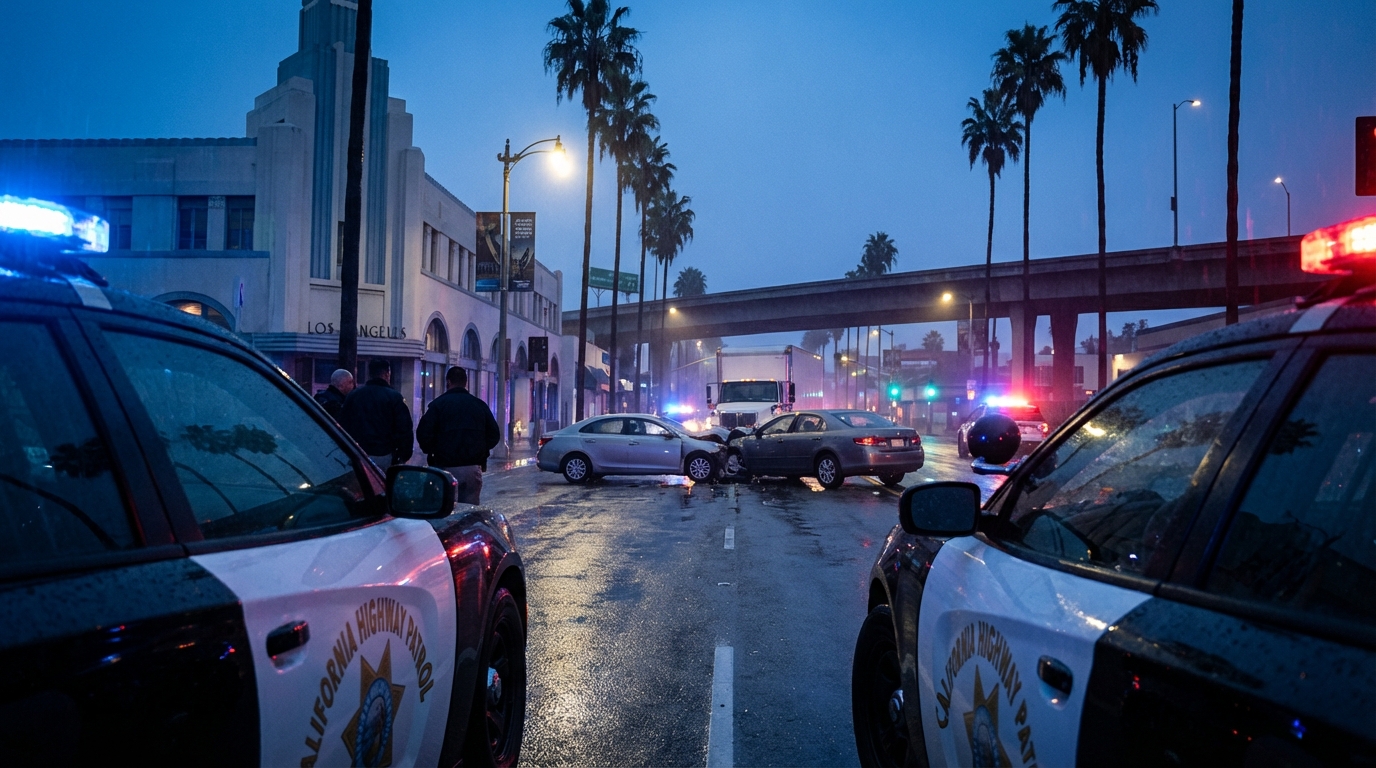
A serious car accident can flip your life in minutes. One moment you’re driving to work or picking up your kids, the next you’re shaking, in pain, staring at a wrecked car, and your phone won’t stop ringing. Insurance adjusters want statements, the body shop wants answers, and your job wants to know when you’ll be back.
If you feel overwhelmed, that’s normal. San Diego roads are busy, and crashes are common. In 2010, the County of San Diego reported 12,635 collision injuries and 189 deaths in a single year. Those numbers don’t make your situation any easier, but they do show you’re not alone.
Below is a simple plan for what to do now, what to avoid, and when it makes sense to talk to a lawyer, so you can protect your health and your claim at the same time.
First things first, stay safe and get medical help
The hours right after a crash can feel like a blur. Your brain is trying to process what happened while your body is running on stress. Start with safety and health, because everything else can wait.
If you can, take a slow breath and do one thing at a time. Think of it like a plane emergency: secure yourself first, then help others, then handle the details.
Also, a quick note: this is general information, not legal advice. Every crash is different, and serious injuries deserve personal guidance.
Move to safety, call 911, and do not guess about injuries
San Diego freeways move fast, and even a minor crash can turn dangerous if cars are stopped in traffic. If your vehicle can move and it’s safe to do so, get out of active lanes. If it can’t, turn on hazard lights and stay put until help arrives.
Call 911 if:
Anyone has pain, bleeding, confusion, trouble breathing, or seems “off”
A car is blocking traffic, leaking fluids, or there’s a risk of fire
A pedestrian, cyclist, or motorcyclist is involved
You think the other driver is impaired or trying to leave
If no one is hurt and the cars are safely out of the way, you can ask the dispatcher whether to wait for police or use a non-emergency process. If you’re unsure, call 911 anyway and let them direct you.
Don’t guess about injuries, yours or anyone else’s. Adrenaline hides pain. Head, neck, and back injuries can feel minor at first, then hit hard later that night or the next morning. The same goes for concussions. People often say, “I’m fine,” when what they mean is “I’m in shock.”
If you have passengers, check them first. Kids may not explain pain clearly, and older adults can decline quickly. If anyone feels dizzy, nauseated, has a headache, or seems unusually tired, get medical care right away.
Get medical care fast and follow through with treatment
Getting checked out quickly is about your health first, but it also creates a clear record that links your injuries to the crash. Waiting too long gives insurers room to argue your pain came from something else.
Where you go depends on symptoms:
Emergency room: severe pain, head injury, numbness, weakness, confusion, major bleeding, or possible broken bones
Urgent care: moderate pain, sprains, minor cuts, or you need same-day evaluation
Primary doctor: follow-up care, referrals, and ongoing treatment plans
Before you leave any visit, ask for copies of:
Discharge paperwork
Imaging results if done (X-ray, CT, MRI)
Work notes or restrictions
Then follow through. If you’re referred to a specialist, physical therapy, or more imaging, go. Gaps in care can hurt your recovery and make your claim harder to prove.
Two practical habits help more than people expect:
Take photos of visible injuries (bruising often looks worse on day 2 or 3).
Keep a simple symptom diary in your phone. Write short notes like: “Woke up at 3 a.m., neck stiff, couldn’t turn head,” or “Missed work, migraine returned after driving.”