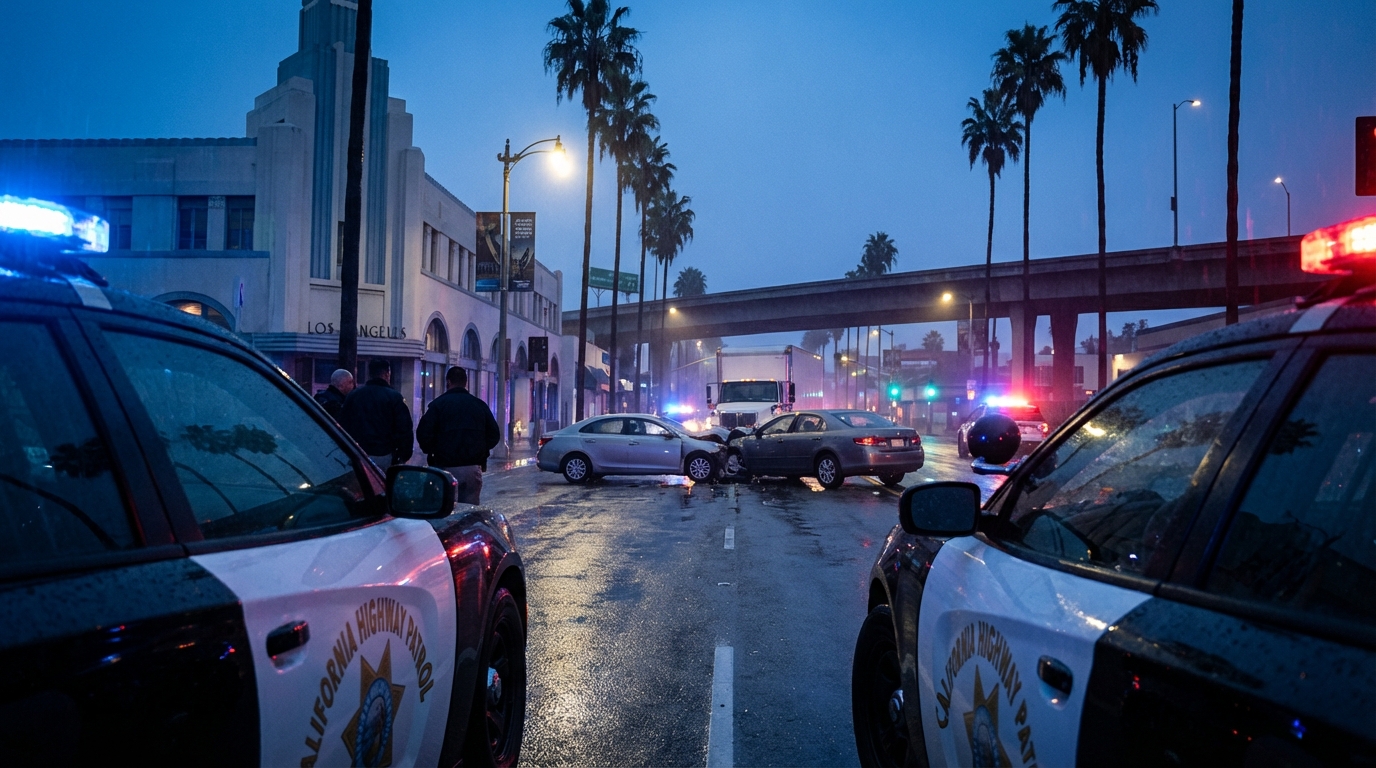
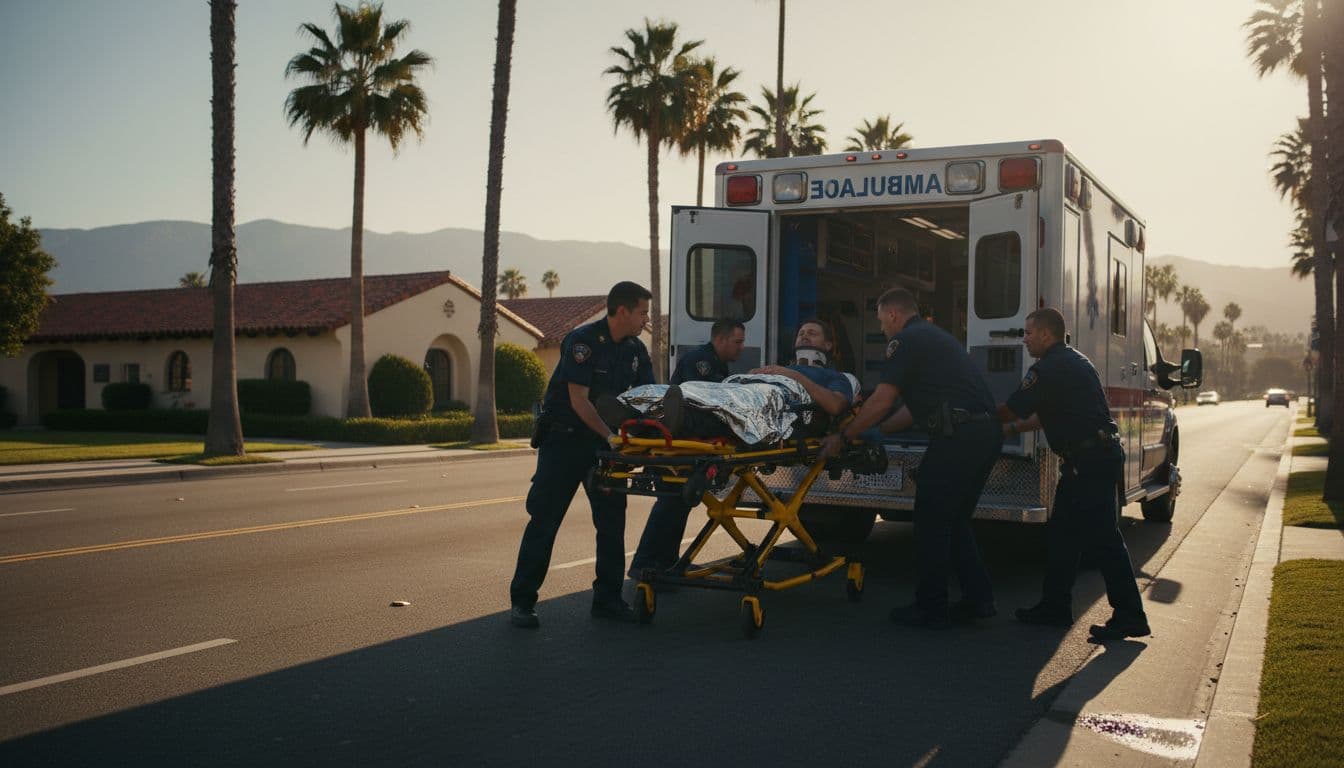
After a serious accident in San Diego, life can feel like it’s on rails and you’re not the one driving. You’re hurting, you’re missing work, bills are stacking up, and your phone keeps buzzing with insurance calls when all you want is to heal. If you’re dealing with a crash, a fall, or a violent impact with a commercial vehicle, the stress isn’t just physical, it’s mental.
Most injury cases end in a settlement, but that doesn’t mean settlement is always the right answer. A trial can be the right tool when the other side won’t act reasonably, or when the injuries are so serious that “quick money” turns into long-term regret.
This guide breaks down settlement vs. trial in plain English, so you can make a smart choice with your lawyer. Timing matters, evidence doesn’t wait, and California deadlines can cut off rights faster than most people expect. If you’re unsure what to do next, getting legal help early can protect your options.
Settlement and trial explained in plain English (and what each one really means)
A settlement is a negotiated deal. You agree to accept a certain amount of money, and in return you usually sign paperwork ending the claim. No judge decides who’s right. No jury hears your story. The goal is to reach an amount that covers your losses without the risk, time, and stress of court.
A trial is a formal process where a judge or jury decides who was at fault and how much compensation should be paid (if any). Trials can bring accountability, but they also bring uncertainty. Even strong cases carry risk because you’re putting the final decision in someone else’s hands.
One point that surprises many people is this: filing a lawsuit doesn’t mean you’re “going to trial.” A lawsuit is often the move that forces the other side to take your case seriously. Many cases still settle after a lawsuit is filed, sometimes right before trial.
Here’s the basic flow most San Diego injury cases follow:
Claim and investigation: Your side gathers records, photos, and witness info, then notifies insurers.
Negotiation: Demand letters, back-and-forth talks, and offers (often starting low).
Lawsuit filing (if needed): A way to protect deadlines and increase pressure.
Discovery: Each side exchanges evidence, takes depositions, and hires experts.
Mediation or settlement talks: A structured push to resolve the case.
Trial: The last step, if no agreement happens.
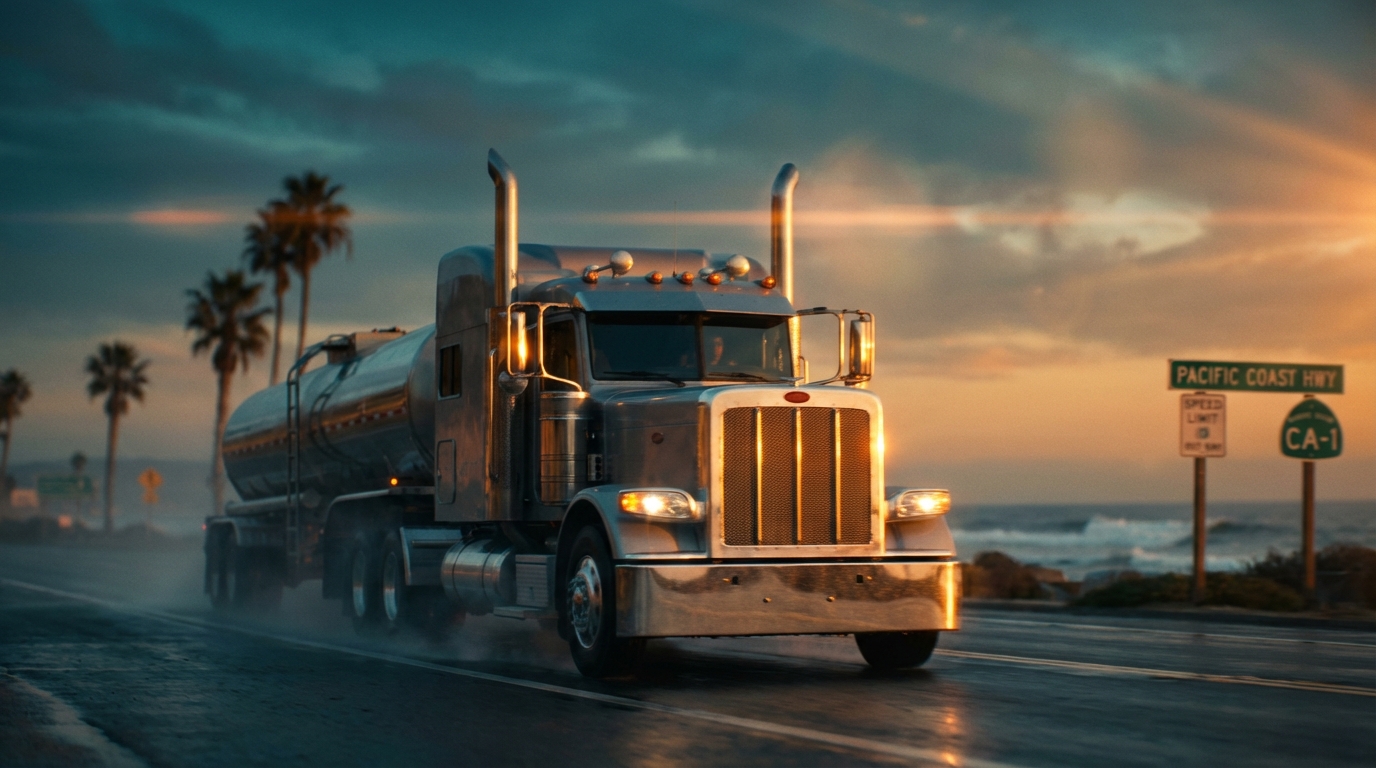
Some cases are more complex from day one, especially truck crashes and other high-stakes collisions with corporate defendants. These can involve multiple insurance policies, company safety records, and federal trucking rules, not just a driver’s mistake. If your case involves a commercial vehicle, it helps to understand the kinds of claims handled under a truck case framework like types of truck collisions on California highways. For more common wrecks, the broader picture of San Diego auto accident attorney services can help you see how the process usually starts.
What a settlement can cover, and why the first offer is often low
A fair settlement should account for the full cost of what happened, not just today’s ER bill. In plain terms, that often includes:
Medical costs: Past bills and likely future care, like follow-up imaging, PT, injections, or surgery.
Lost income: Missed work now, and loss of future earning ability if you can’t return to the same job.
Pain and suffering: The daily impact, sleep loss, mobility limits, anxiety, and the way life shrinks after injury.
Property damage: Repairs or replacement for your vehicle and personal items.
Early offers are often low because insurers know people are scared. They may offer fast money when you’re behind on rent, or when you’re still in a pain fog and just want it to end. They may also ask for a recorded statement, or steer you into words that make your injuries sound smaller than they are.