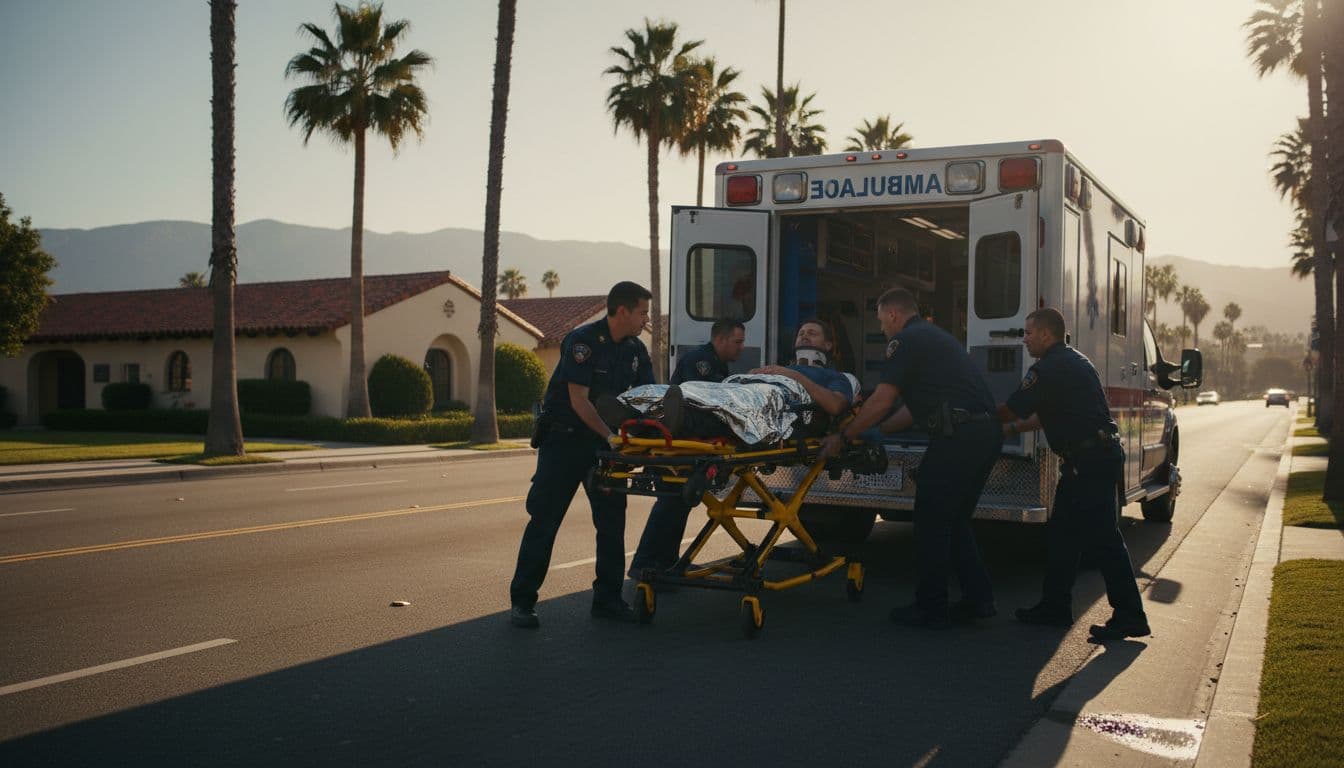
An accident can flip your life in a single moment. One minute you’re running errands in Vista, the next you’re dealing with pain, medical visits, and a phone that won’t stop ringing. Bills show up fast. Work gets missed. Sleep gets lighter. Your brain feels foggy, and every decision feels heavier than it should.
If you’re seriously hurt, you’re not “behind” for feeling overwhelmed. That’s a normal response to an abnormal situation. The hard part is that injury claims don’t wait for you to feel better. Evidence can disappear, witnesses can forget, and deadlines can sneak up while you’re still trying to get through the day.
A Vista personal injury attorney can take over insurance calls, help lock down proof early, and keep your claim moving while you focus on treatment. Timing matters, and so does having someone local who knows how these cases actually unfold in North County.
Right after an accident in Vista, focus on these steps to protect your health and your claim
In the first hours and days after a crash or fall, think of your claim like wet cement. What you do now can leave a clear imprint, or it can get smudged by confusion, pain, and pressure from insurers.
Here’s a simple priority list to keep you steady:
Get checked out (urgent care, ER, or your doctor), even if you hope it’s “just sore.”
Report the incident (police report for collisions, incident report for stores or properties).
Take photos and video of the scene, hazards, vehicles, and visible injuries.
Write down details while they’re fresh (where, when, weather, what you felt, what was said).
Get witness names and numbers if anyone saw it happen.
Be cautious with insurance until you understand what you’re being asked to give up.
The goal isn’t to “build a lawsuit.” It’s to protect the truth before it fades.
Get medical care and create a paper trail that shows what happened
A lot of serious injuries don’t feel serious at first. Adrenaline can mask symptoms, and inflammation can take time. People often wake up a day or two later with sharp neck pain, dizziness, numbness, or a headache that doesn’t quit.
Getting prompt medical care does two things at once. First, it helps protect your health. Second, it creates records that connect your injuries to the incident. Those records often matter when an insurance company later argues, “You weren’t really hurt,” or, “This must be from something else.”
Keep it simple. Save anything that helps show the story of your injury, including:
Medical documents: discharge papers, visit summaries, referrals, imaging results, and physical therapy plans.
Treatment items: prescriptions, braces, crutches, and medical devices.
Money proof: receipts, co-pays, pharmacy printouts, and invoices.
Travel costs: mileage to appointments, parking receipts, rideshare charges.
Work impact: doctor’s notes, missed days, reduced hours, and job duty limits.
If your case ends up needing a doctor to explain severity later, consistent treatment notes can speak loudly without you having to “prove” your pain with words alone.
Be careful with insurance calls, recorded statements, and quick settlement offers
Insurance adjusters may sound friendly, and sometimes they are. But their job is to pay as little as they can, as fast as they can, with paperwork that protects the insurance company, not you.
A common pressure point is the recorded statement. You might get asked questions that seem harmless but are designed to box you in. Small mistakes can get used later, especially if you’re medicated, exhausted, or unsure of what happened.
A few plain-language do’s and don’ts can save you trouble:
Do:
Tell the truth, and keep it short.
Say “I don’t know” if you don’t know.
Ask for questions in writing if you feel pushed.
Don’t:
Guess about speed, distances, or timing.