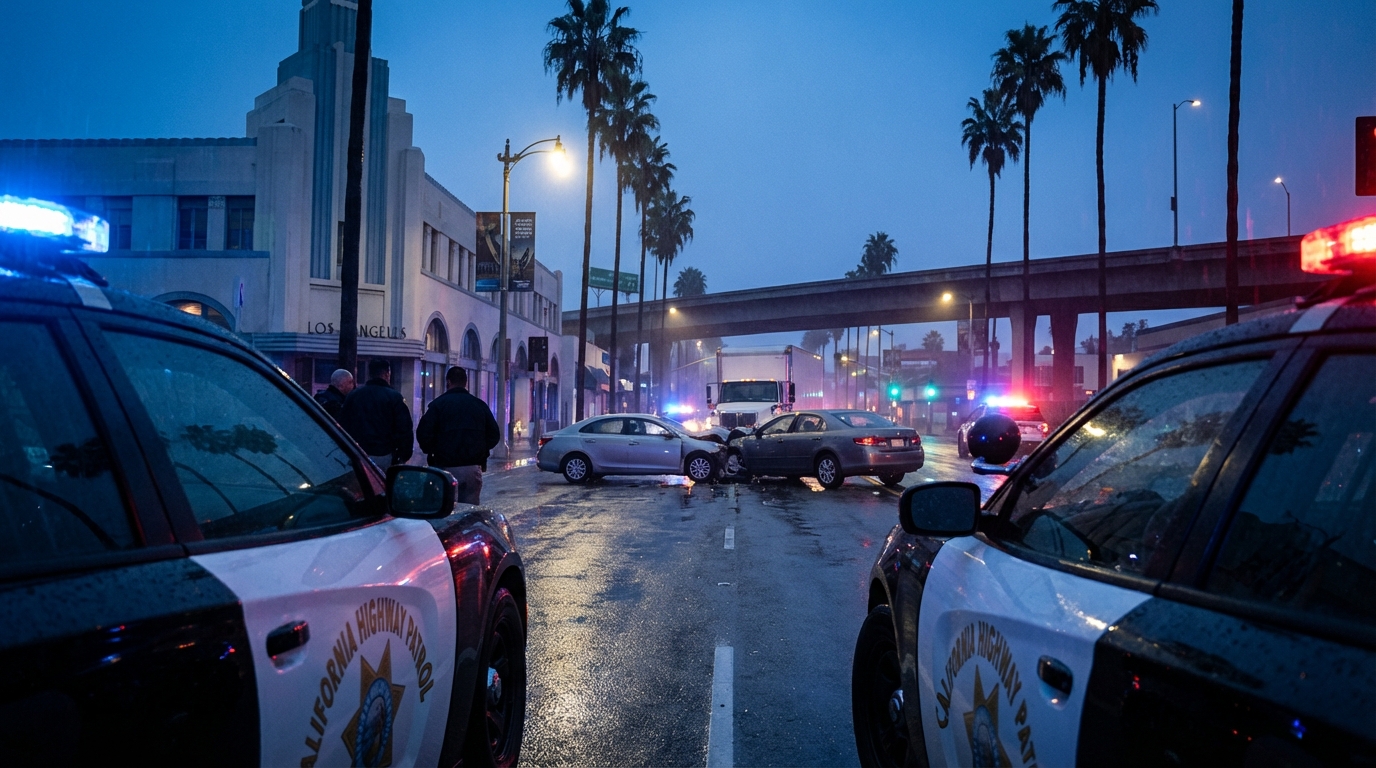
A motorcycle crash can turn your life into a pile of “urgent” problems overnight. You’re trying to manage pain, missed work, and scary medical bills, while your phone keeps ringing with insurance calls. It’s a lot, and when you’re injured, even simple tasks can feel like heavy lifting.
Motorcycle collisions also carry higher stakes than most car crashes. Riders don’t have a steel frame around them, so even a “moderate” impact can cause serious injuries, long rehab, and time away from work. And while some people still blame riders by default, many car motorcycle wrecks start with driver mistakes, not reckless riding.
The claim process can feel confusing, but a few early choices matter more than people realize: don’t wait too long, don’t give the insurer extra ammo, and don’t skip medical care. If you need practical guidance right away, start with San Diego motorcycle accident attorney help.
The first 48 hours can make or break your motorcycle accident claim
Think of the first two days after a crash like wet cement. What you do now can set your case in place, for better or worse. This isn’t about being “perfect.” It’s about protecting your health and keeping your claim from getting quietly weakened.
If you’re able, start with the basics: call 911, accept medical help, and get a police report started. Then focus on two big goals: document what happened and avoid making statements that can be twisted later.
A lot of riders lose ground early for innocent reasons. They feel bad, so they say “I’m sorry.” They guess about speed. They try to tough it out and skip care. Insurance companies often use those moments to argue you weren’t hurt, or that you caused the crash.
Get medical care first, even if you think you are okay
After a motorcycle accident, adrenaline can mask pain. Some injuries also show up later, which is why “I feel fine” can be a trap.
Common delayed symptoms include:
Head injury signs like dizziness, nausea, confusion, or headaches that get worse
Internal injuries that don’t hurt much at first but become serious later
Soft tissue injuries (neck, back, shoulder) that stiffen over the next day or two
If paramedics recommend the ER, go. If you leave the scene, consider urgent care the same day. Then follow up with your doctor as instructed. Skipping appointments creates gaps that insurers love to point at.
Medical records do two jobs at once. They help you heal, and they create proof of what the crash did to your body. Keep every discharge note, referral, prescription, and mileage log for medical visits. If you start physical therapy, stick with it unless a doctor tells you to stop.
Protect the evidence before it disappears
In San Diego, traffic moves fast, tow trucks show up quickly, and scenes get cleared. That means proof can vanish in hours.
If it’s safe and you’re physically able (or someone you trust can help), try to collect:
Photos and video of the crash scene, skid marks, debris, and lane layout
Close-ups of your bike damage, your helmet, and torn riding gear
Road hazards (gravel, potholes, uneven pavement) and poor lighting
Contact info for witnesses, not just a quick name
The police report number, plus the agency that responded
Also, don’t repair or throw away key items. Keep your helmet, jacket, gloves, boots, and damaged parts in the same condition they were in after the crash. Those items can help show impact points and severity.
If a business camera or dash cam might have caught the collision, act fast. Video often gets recorded over, sometimes within days.
How fault and compensation work in San Diego motorcycle accident cases
A motorcycle accident claim usually comes down to two simple questions: who caused the crash, and what did it cost you? The legal terms can sound complicated, but the idea is basic. A driver has a duty to use reasonable care. If they break that duty and someone gets hurt, they can be responsible for the harm they caused.