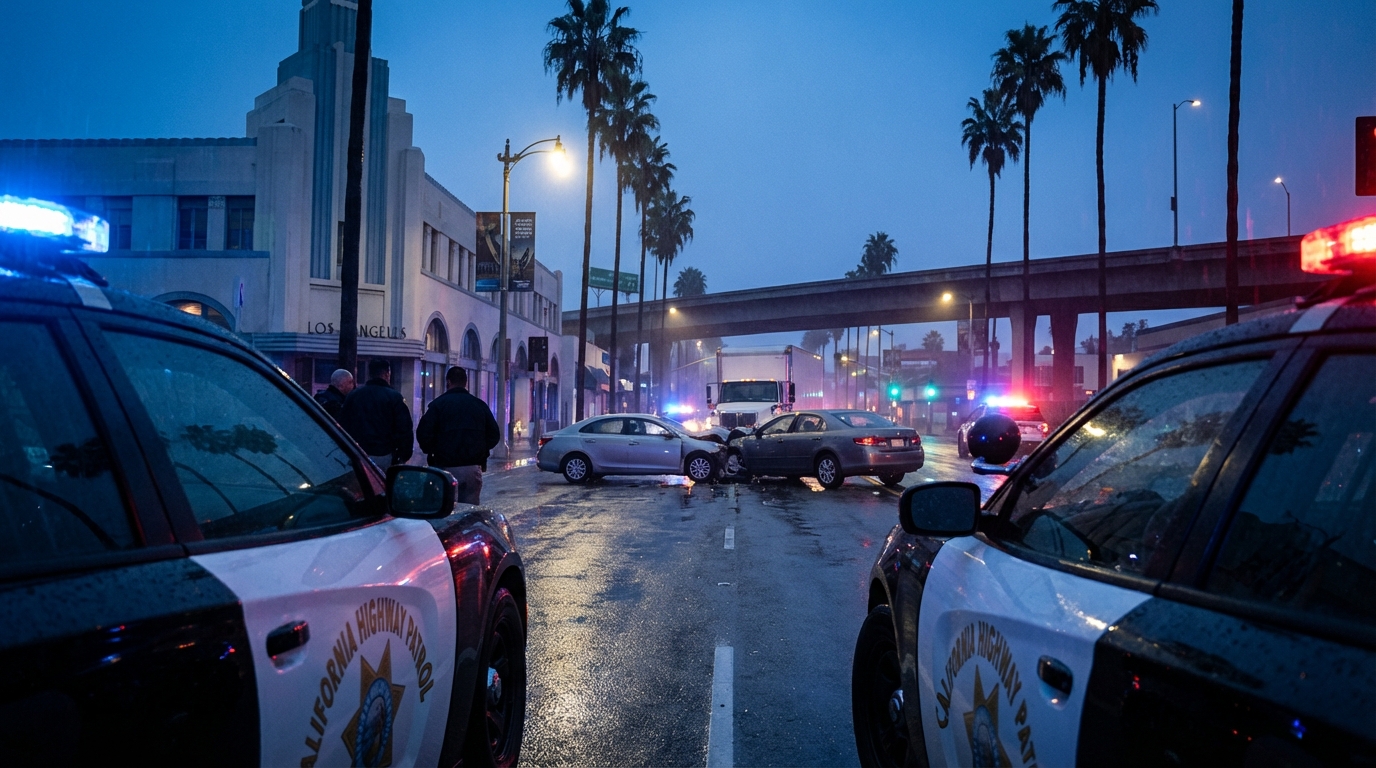
If you drive in San Diego County, you’ve felt it, one second you’re cruising, the next you’re braking hard because traffic stopped for no clear reason. That’s why talk about the most dangerous roads in San Diego County never really goes away. “Dangerous” here usually isn’t about crime or certain neighborhoods. It’s about fast traffic, confusing merges, short on-ramps, heavy congestion, and crash patterns that can turn one mistake into a pileup.
San Diego’s role as a border and port hub also raises the stakes. With constant shipping and cross-border commerce, big rigs move through the county day and night. When a passenger car meets a commercial truck, the size and weight difference can make injuries much worse.
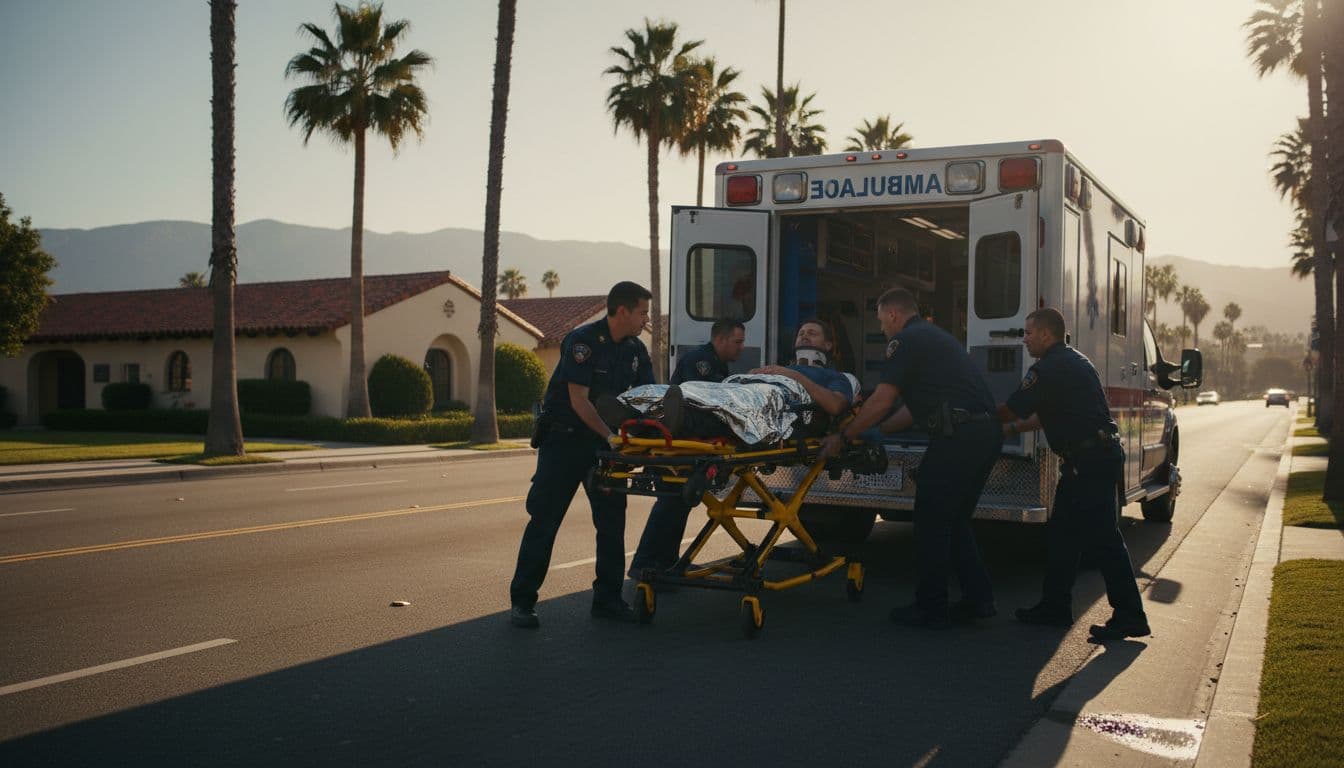
If you or someone you love is hurt, safety comes first. Get medical care right away, even if you’re not sure how bad it is yet.
The roads San Diegans mention most when talking about serious crashes
Ask locals where crashes “feel” more severe, and the same corridors come up again and again. These roads aren’t automatically dangerous every minute of every day, but they have a mix of speed, volume, and complex driving decisions that can punish a split-second lapse.
A common thread is lane changes under pressure. When drivers have to cross multiple lanes quickly to catch an exit, or when an on-ramp dumps traffic into fast lanes, the risk goes up. Add short merge lanes, sudden slowdowns, and distracted driving, and you get more rear-end collisions and chain reactions. This is also where truck traffic matters, because trucks need more room to brake and change lanes.
It’s also worth keeping perspective: any road can turn risky depending on time of day, weather, construction, and behavior. A calm stretch at 11 a.m. can be a different world at 5 p.m. on a holiday weekend.
Interstate 5 and Interstate 805, fast lanes, tight merges, and nonstop congestion
I-5 and I-805 are the backbone routes for commuters, deliveries, and visitors. They’re also where drivers deal with the most constant pressure: heavy traffic, frequent exits, and merges that never seem to end.
Sudden slowdowns are a major problem on these interstates. One driver taps the brakes, the next driver reacts late, and a rear-end crash turns into a multi-car pileup. Higher speeds make the “domino effect” worse, because there’s less time to react and more force at impact.
Merges are another big factor. On many stretches, drivers are trying to enter and exit at the same time. That creates a messy swirl of lane changes, especially near busy interchanges, coastal travel routes, and shopping areas. During commute hours and holiday travel, the stress level rises. People get impatient, follow too close, and make last-second moves that leave no margin for error.
Interstate 15, State Route 94, and State Route 78, long drives, distracted driving, and fatigue
Some roads are risky because they’re busy. Others are risky because they’re long. I-15, SR-94, and SR-78 often involve longer stretches where drivers settle in, relax their focus, and start taking shortcuts with attention.
This is where fatigue and distraction show up. A two-second lapse at freeway speed is not small. At 65 mph, your car travels roughly the length of a football field in about three seconds. If your eyes drop to a phone or your mind drifts, you can cover a huge distance before you realize traffic changed.
These corridors also see aggressive passing, sudden lane changes, and rear-end impacts when traffic compresses. The danger isn’t always the road design itself, it’s the way real people drive when they’re tired, late, or overconfident. And when bigger vehicles share the same space, the outcomes can be more severe.
What makes a road “dangerous” here, and why truck traffic changes everything
A “dangerous” road in San Diego County usually has a few ingredients that stack on top of each other. Think of it like a crowded kitchen with sharp knives and a wet floor. One issue might be manageable, but multiple issues at once create a serious hazard.
Here are the patterns that tend to raise crash risk:
High speeds mixed with stop-and-go traffic
Short merges and heavy lane changing