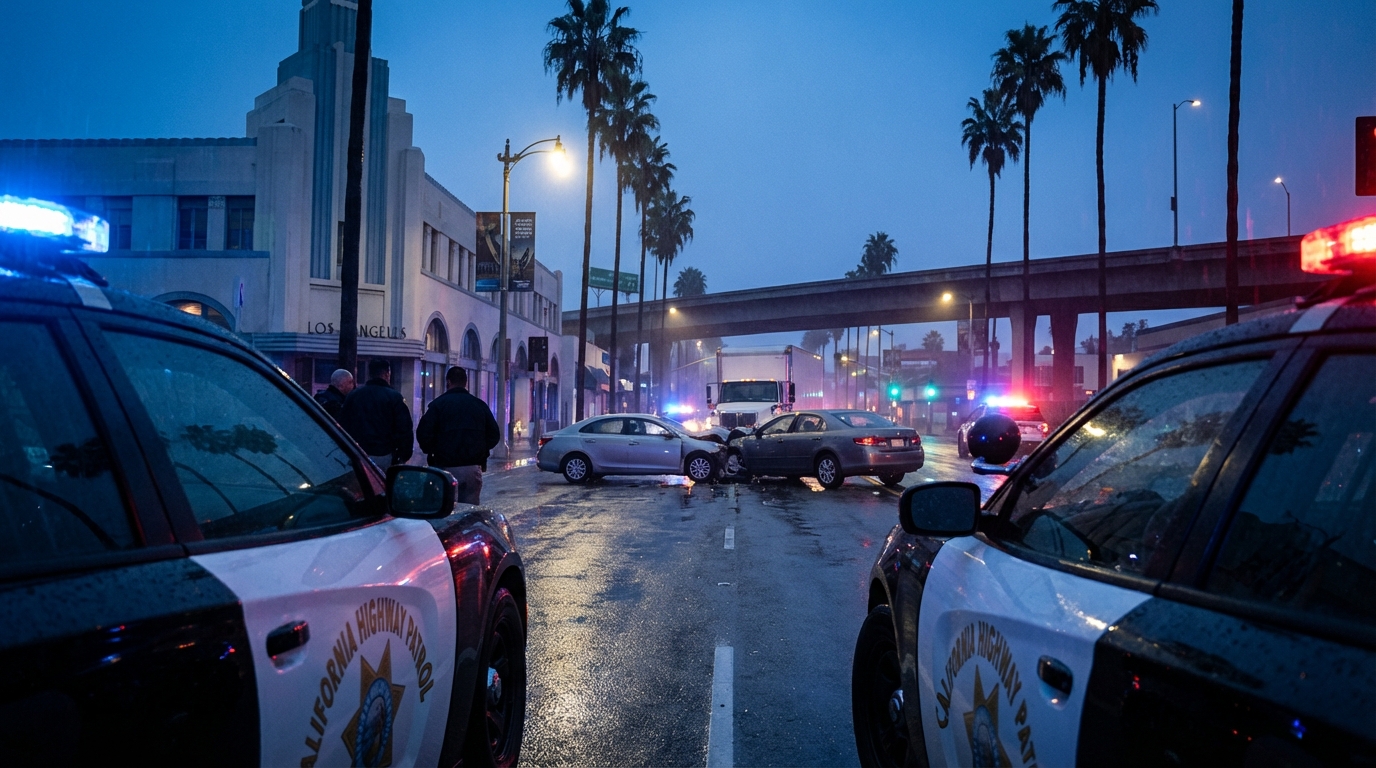
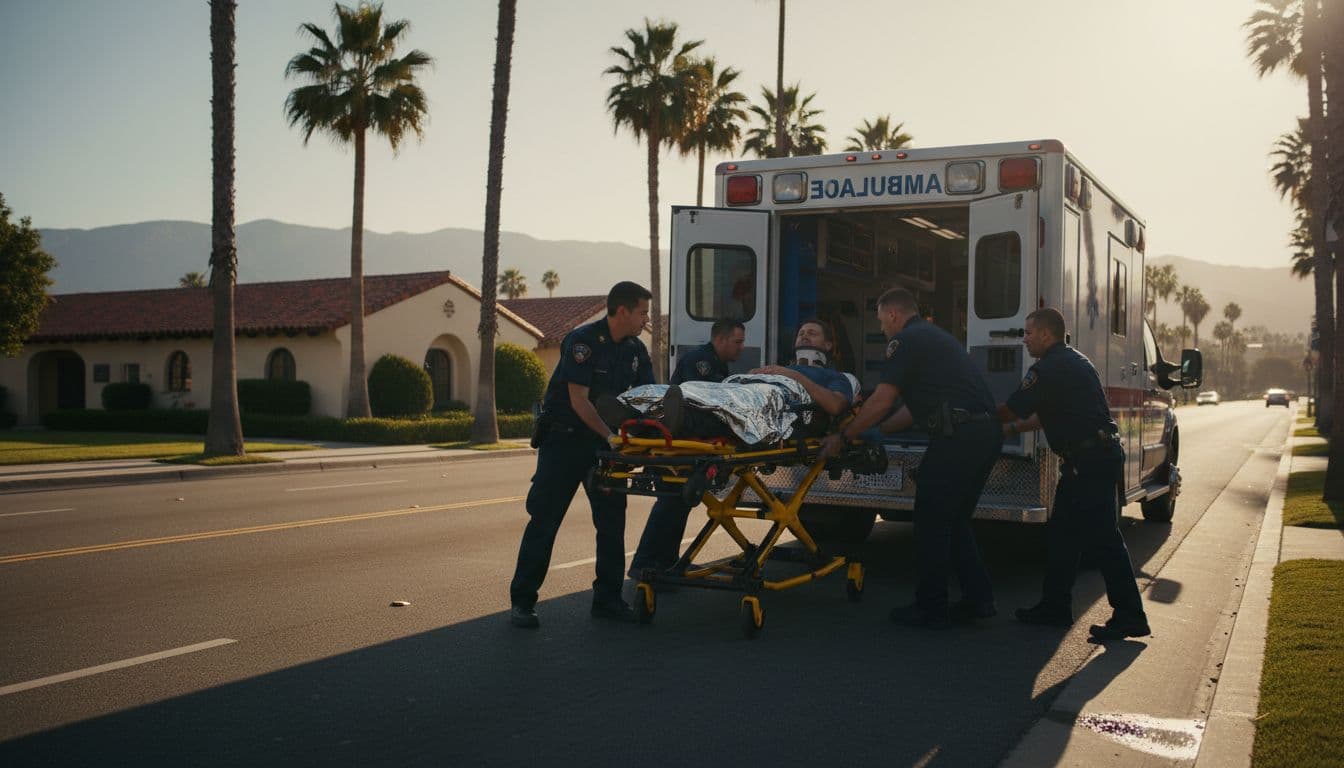
After a serious accident, life can feel like it’s moving in fast-forward while you’re stuck in slow motion. You’re in pain, you’re trying to sleep, and your phone won’t stop ringing. Medical bills start showing up before you even know what your injuries will look like in a month. Work gets missed. Family plans get canceled. An insurance adjuster may sound polite, but every question has a purpose.
A personal injury claim is a legal way to ask for money after someone else’s carelessness causes harm, like a crash, a fall at a store, or a dog bite. Most claims begin as insurance claims, then either settle or, if the insurer won’t pay fairly, move into a lawsuit.
This guide explains what you can do today to protect your health and your case, the deadlines that can shut a case down if missed, the types of compensation that may apply, and the moments when talking to a lawyer can take pressure off your shoulders. If you’re unsure where to start, this step-by-step resource on what to do next after an accident in San Diego can help you get your footing.
Start strong: what to do in the first hours and days after an accident in San Diego
The first few days matter more than most people realize. Not because you should be thinking about a settlement while you’re hurting, but because the early details are what insurers later argue over. Evidence disappears. Video gets recorded over. Witnesses forget the basics, or they move on and don’t call back.
Think of the early stage like wet cement. What gets pressed into it now can stay there for the entire claim.
Here are practical steps that tend to protect both your health and your case:
Get to safety first, then call 911 if anyone may be badly hurt.
Ask for a police report when it makes sense (vehicle collisions, hit-and-run, unsafe scenes).
Take photos and short videos of the scene, damage, hazards, and visible injuries (even if it feels minor).
Collect names and contact info for witnesses, drivers, and involved businesses.
Keep what you wore or used, like torn clothing, damaged shoes, or a broken helmet, don’t repair or toss it.
Report the incident to the proper place (property manager, store, rideshare, employer), but keep it short and factual.
Write down what happened while it’s still fresh, including time, location, weather, and what you felt right after.
You don’t have to do all of this perfectly. Do what you can, then focus on getting better. But don’t wait for the insurance company to “figure it out” for you. They’re building their version of the story from the start.
Get medical care fast, then document everything like it will be questioned later
Prompt medical care does two important things. First, it protects your health. Second, it creates a clear record that links your injury to the accident. Insurance companies love gaps. A delay gives them room to say, “Maybe it happened somewhere else.”
Some symptoms also show up late. Adrenaline can mask pain. Swelling can build overnight. Concussions, soft tissue injuries, and back issues may feel like “just soreness” until day two or three.
A simple documentation routine can make a huge difference later:
Symptoms journal: a few lines each day (pain level, sleep issues, dizziness, anxiety, limits at work or home).
Photos: bruising often darkens over several days, take updates.
Discharge papers and follow-up plans: keep everything in one folder.
Prescriptions and receipts: meds, braces, co-pays, medical equipment.