A catastrophic injury doesn’t just hurt, it re-writes your life. One day you’re working, driving, parenting, training for a race, planning a trip. The next, you’re managing surgeries, rehab, pain, and a stack of bills that doesn’t stop coming. Then the calls start, insurance adjusters, paperwork, deadlines, and pressure to “wrap things up.”
This guide explains what a catastrophic injury claim is in San Diego, what “lifetime compensation” can include, and what to do early to protect your case. Serious crashes, including truck collisions and major freeway wrecks, are common in San Diego County, and the harm can be permanent.
You’ll get clear steps, plain language, and practical questions to ask a lawyer before you sign anything.
What counts as a catastrophic injury in San Diego, and why it changes your claim
“Catastrophic injury” isn’t a special medical label you need on a chart. In personal injury claims, it usually means an injury that causes long-term or permanent limits, needs expensive care, or changes how you live and work for the foreseeable future.
That last part matters. A standard injury claim often focuses on what happened last week, the ER visit, the first round of treatment, the car repair. A catastrophic injury claim focuses on what happens for years. It’s less like paying off a surprise bill and more like planning for a future you didn’t choose.
In these cases, the key question becomes: what will it cost to live as close to “normal” as possible going forward? That can include help you never needed before, like home assistance, ongoing therapy, or a different type of work.
Common examples of catastrophic injuries include:
Traumatic brain injury (TBI) with lasting symptoms
Spinal cord injury (including paralysis)
Amputations or major loss of limb function
Severe burns with scarring or multiple surgeries
Multiple fractures that lead to lasting disability or chronic limits
Even if the injury improves over time, it can still be “catastrophic” when it leaves you with permanent restrictions, repeated procedures, or a reduced ability to earn a living.
Common causes in San Diego: truck crashes, high-speed wrecks, and other severe accidents
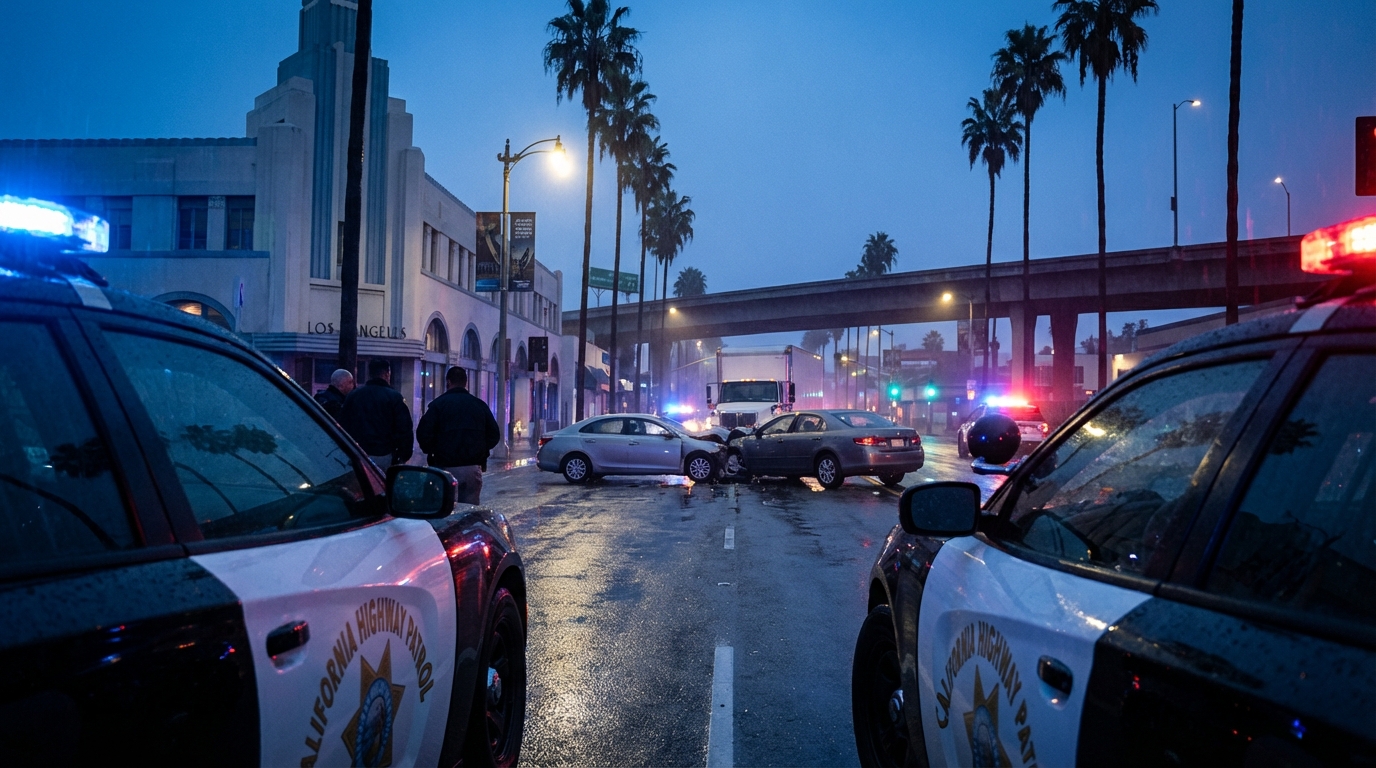
San Diego has busy, fast-moving corridors and heavy traffic. Add big rigs traveling through the county, and the risk goes up. Truck crashes are often more destructive because of the size and weight difference between an 18-wheeler and a passenger car.
Local public health reporting has shown the scale of harm: in one year, truck collisions in San Diego County were linked to hundreds of injuries and multiple deaths (reported as 228 injuries and 8 fatalities). That’s a reminder of how quickly a “normal drive” can become a life-altering event.
For more on the mechanics behind these collisions, see how truck accidents happen in San Diego.
A quick test: signs your injury may be “catastrophic” for a legal claim
If you’re not sure where you fall, this quick checklist can help you spot red flags:
You had a long hospital stay or ICU care
You’ve had surgery, or doctors are recommending more
You need rehab, skilled nursing, or ongoing therapy
You now use mobility aids (walker, cane, wheelchair)
You have memory, focus, mood, or sleep problems after the crash
You need help at home (bathing, cooking, driving, supervision)
You can’t return to the same job, or can’t work full-time
Symptoms aren’t improving, or new problems show up later
Only your doctors and a lawyer can confirm what your claim should be treated as. Still, early evaluation matters because evidence and records are easier to gather while everything is fresh.
How lifetime compensation is calculated, and what expenses people forget to claim
Lifetime compensation is about putting real numbers to a long future. Insurers often focus on what’s easy to see right now: the ambulance bill, the first MRI, the first few weeks off work. Catastrophic injuries don’t work like that. The largest costs may come later, and they often come in waves.