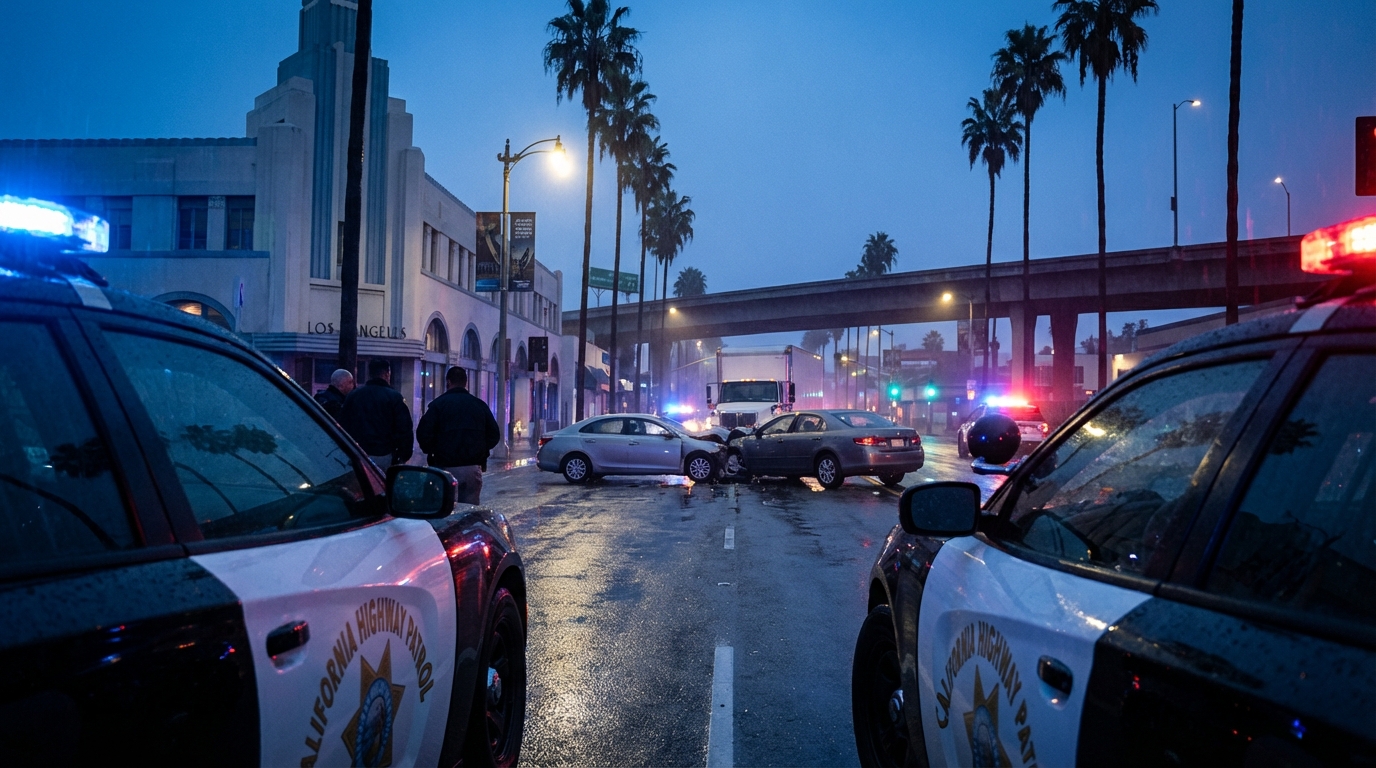
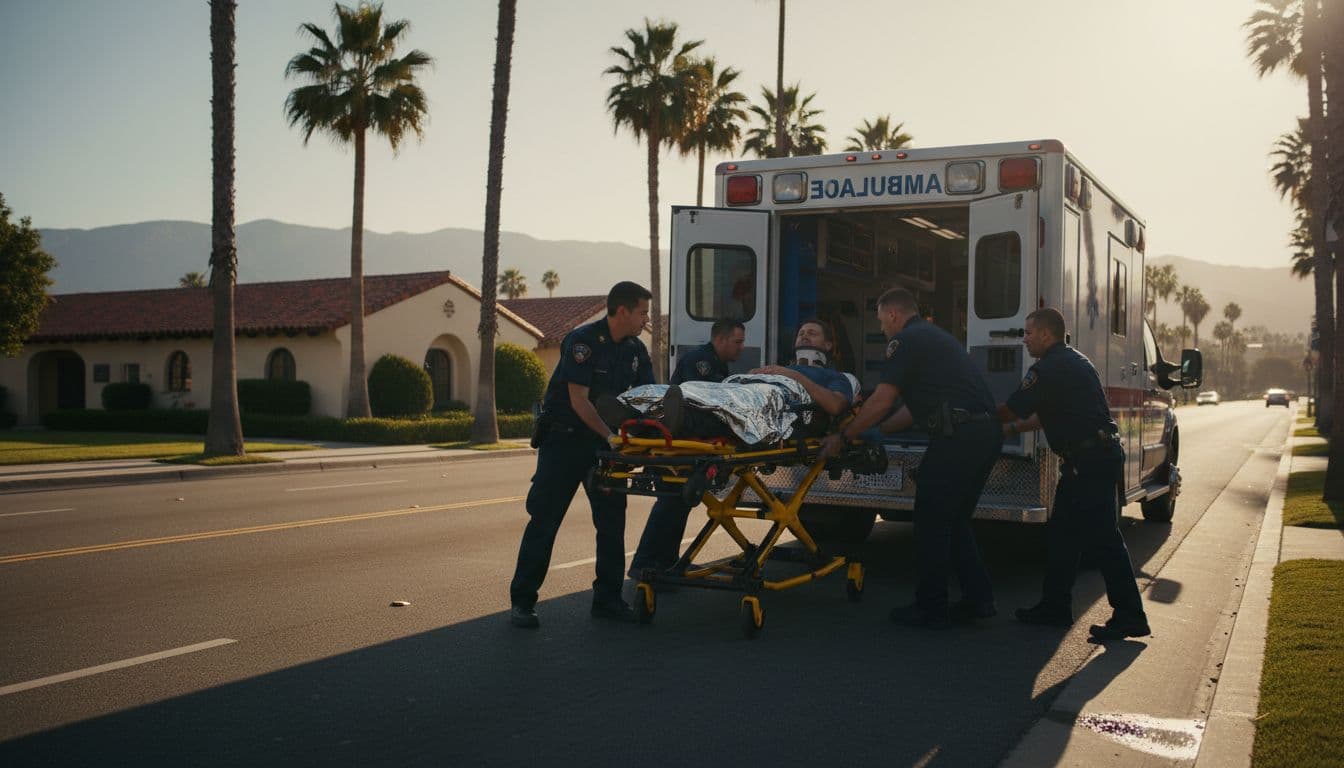
Carlsbad is the kind of place where life happens outside. Morning school runs, errands along Avenida Encinas, weekend crowds near the Village, and visitors flowing in from I-5 can make even a normal day feel busy. When a crash, fall, or dog bite hits, everything changes fast.
If you’re hurt, you’re probably juggling pain, missed work, medical bills, and nonstop insurance calls. It’s hard to think straight when you’re trying to heal. Most personal injury cases come down to negligence, meaning someone didn’t act safely and you paid the price.
This guide explains what a Carlsbad personal injury lawyer does, what to do right away, and how to protect your claim before evidence fades and deadlines close. If you need a starting point, a trusted San Diego personal injury attorney can help you understand your options.
What a Carlsbad personal injury lawyer actually does for you
After an injury, it can feel like you’re carrying two full-time jobs: recovering, and fighting for fair treatment. A Carlsbad personal injury lawyer steps in as your buffer. Instead of you answering adjuster calls while you’re in a waiting room, your lawyer handles the insurance back-and-forth, tracks paperwork, and keeps your case moving.
A good lawyer also focuses on the part most people can’t do alone, proving what happened and why it wasn’t your fault. That can mean investigating a crash on Palomar Airport Road, collecting store surveillance after a slip on a rainy day, or documenting a dog attack at a local park before details get fuzzy.
The work is practical, not fancy:
Reviewing medical records and bills so your injuries are clearly documented
Gathering reports (police, incident, or animal control, depending on the situation)
Tracking lost income and how the injury affects day-to-day life
Identifying who’s responsible, which is not always obvious
Pushing for compensation that covers both today’s bills and tomorrow’s problems
Timing matters more than most people expect. Video footage gets recorded over, hazards get fixed, witnesses move, and even your own memory fades once the adrenaline is gone. Acting early helps keep the story supported by proof, not just your word against theirs.
The difference between a quick payout and fair compensation
Insurance companies often try to settle fast, especially when they think you’re unrepresented. A quick offer can look like relief when rent is due and your phone won’t stop ringing. But early money is often tied to a big catch: you may be signing away the right to ask for more later.
Common pressure points include asking for a recorded statement, nudging you to “wrap things up,” or questioning why you didn’t get treatment right away. Some adjusters also look for ways to shift blame, even in everyday situations, like saying you “should’ve seen” a wet grocery store floor.
Fair compensation is about the full picture, not just the ER bill. Serious injuries can bring follow-up visits, imaging, physical therapy, medication, and time away from work. Some people deal with long-term pain that changes sleep, mood, and mobility. Those losses don’t always show up in the first two weeks.
People who handle claims alone often settle before they understand what their injury will cost. With representation, negotiation tends to be more grounded in evidence and long-term impact, and the claim is less likely to be reduced by simple mistakes.
How a lawyer builds a strong case while you focus on healing
Strong cases are built like a solid seawall: layer by layer, built to hold up when pressure hits. Your lawyer can collect and preserve the pieces that are easy to lose, like photos, witness details, and damaged items.
That case-building work often includes:
Taking or requesting photos of the scene, vehicles, and injuries
Securing incident reports from stores, property managers, or employers
Collecting witness contact info and written or recorded statements