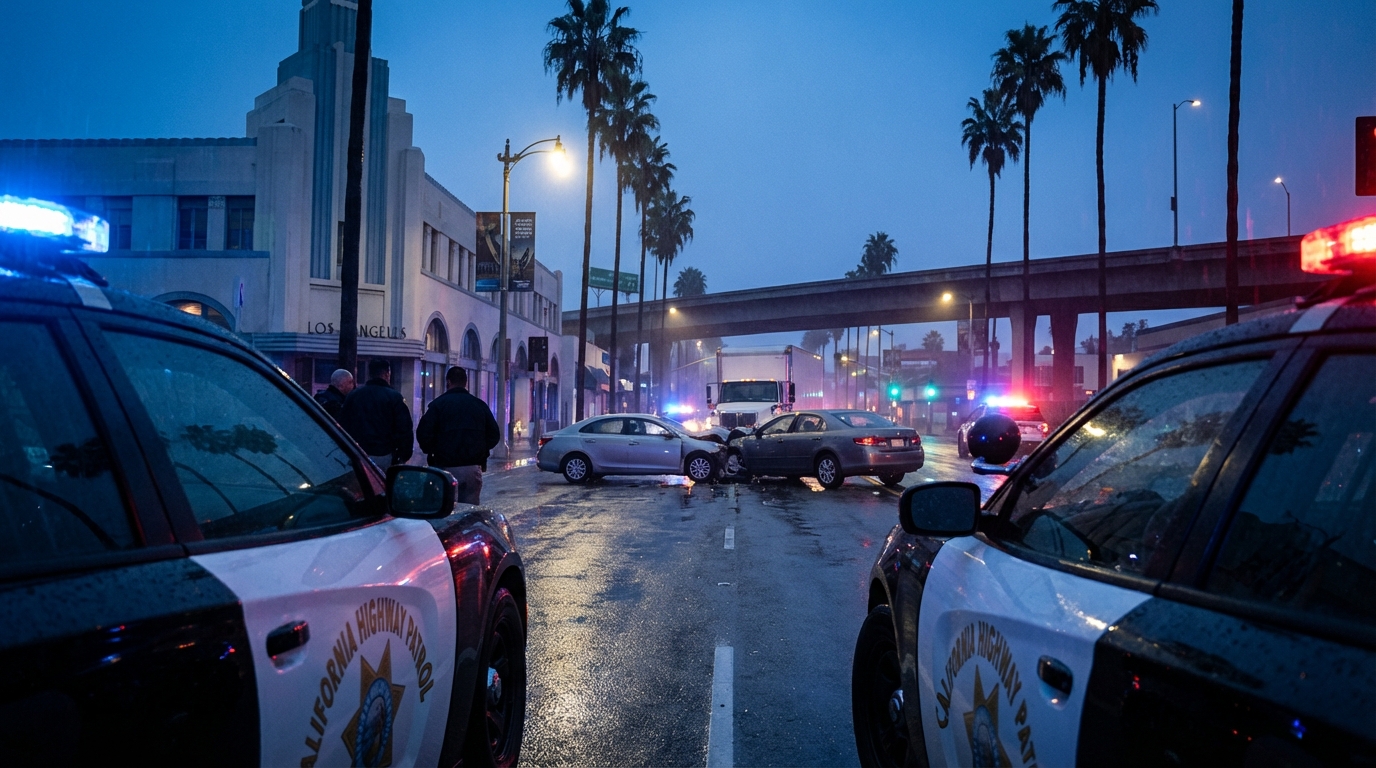
After a motorcycle crash, it can feel like the ground disappears under us. We're hurt, shaken, and suddenly dealing with doctors, bills, bike damage, and insurance calls, all at once.
This guide focuses on three issues that often shape a San Diego motorcycle injury claim, lane splitting, fault, and settlement value. Those points can change how insurers talk about a crash and how a claim gets resolved.
San Diego gives riders a lot of reasons to be on the road year-round. The weather stays mild, the routes are scenic, and motorcycles are part of daily life here. At the same time, heavy traffic and distracted drivers make crashes far too common. Riders also face another problem: a lasting stereotype that paints motorcyclists as reckless, even when a car driver caused the collision. That's why calm facts matter more than assumptions.
How lane splitting works in California, and why it matters after a San Diego crash
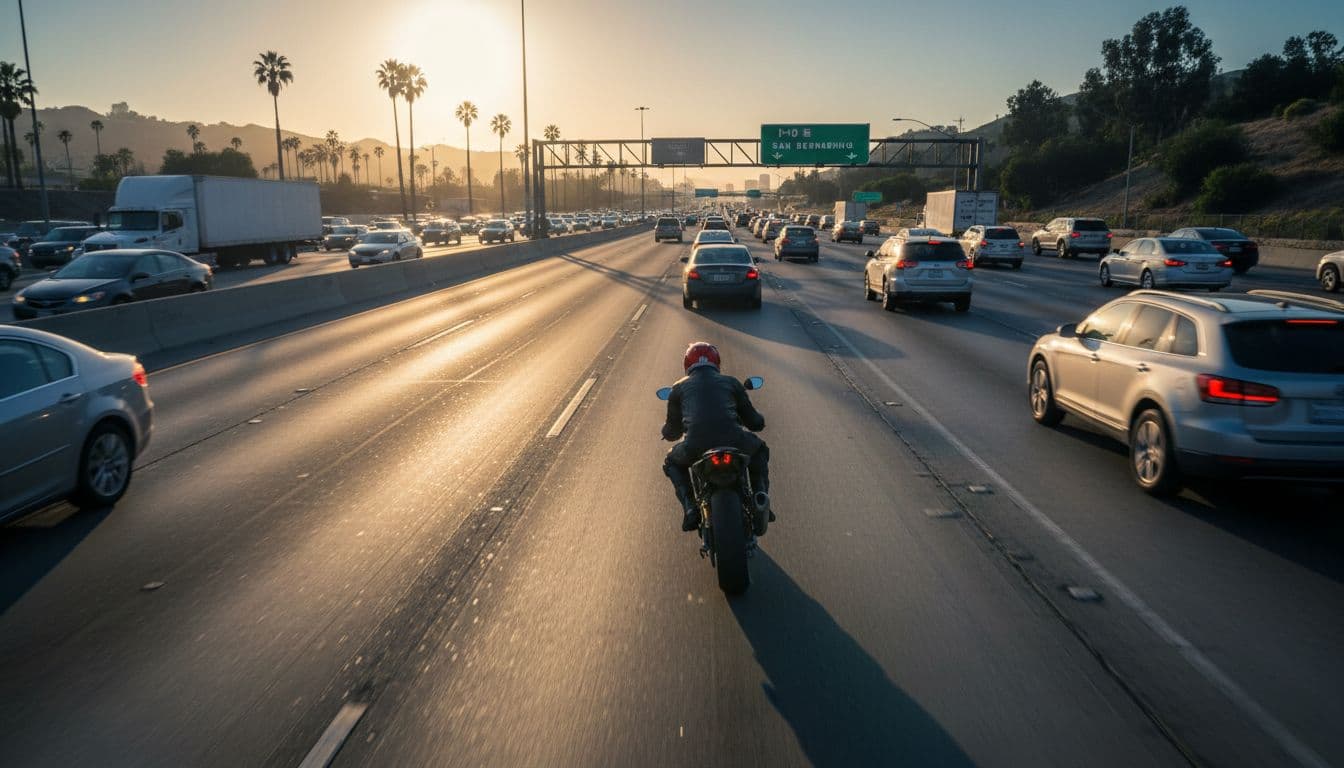
In plain terms, lane splitting means riding between rows of stopped or slow-moving cars traveling in the same direction. In California, that practice is allowed. Still, legality by itself doesn't decide a claim after a crash.
What usually matters is whether the rider acted reasonably for the traffic, speed, space, and road conditions at that moment. In other words, the real question is not, "Was the rider lane splitting?" It's, "How did everyone involved behave?"
That distinction matters because insurers often try to treat lane splitting like an automatic admission of blame. It isn't. A rider can be lane splitting and still have a strong injury case if a driver made the unsafe move that caused the impact.
Lane splitting does not automatically put fault on the rider. The facts of the crash still control the claim.
San Diego traffic makes this issue especially common. Stop-and-go freeway congestion, quick lane changes, and impatient drivers create a setting where small mistakes turn serious fast. For riders, a crash that might dent a car can lead to broken bones, head trauma, road rash, or worse.
Because of that, lane splitting cases should be looked at closely, not through stereotypes. A careful review of timing, spacing, visibility, and driver behavior often tells a very different story than the one an insurance company tells on day one.
When lane splitting may still support a strong injury claim
Even when we're riding between lanes, we may still have a strong case if a driver created the danger. That can happen in several ways.
A driver might change lanes without checking mirrors or blind spots. Someone may swing a door open into traffic. Another driver might drift over the lane line while looking at a phone or reaching for something inside the car. Sudden turns also cause trouble, especially when a driver acts like no motorcycle could possibly be there.
Those facts matter because motorcycle claims often get judged through bias before the evidence is reviewed. Too often, the rider gets blamed first and heard later. That's exactly why photos, witness accounts, dashcam footage, and damage patterns carry so much weight.
The mistakes drivers make that often cause motorcycle collisions
Many motorcycle crashes happen because drivers fail to give riders the same roadway respect they give other vehicles. They look for cars, not bikes. Then they move.
Common driver mistakes include distracted driving, unsafe lane changes, failure to yield, running lights, turning left across a rider's path, and following too closely in traffic. In busy San Diego streets and freeways, those errors happen fast.
A motorcycle is smaller, but it has the same right to the road. When a driver acts as if a rider doesn't count, the result can be life-changing in seconds.
Who is at fault in a motorcycle accident, and how do we prove it
Fault in a motorcycle injury case should come from evidence, not assumptions. That's the heart of it.
After a crash, people often speak in shortcuts. They say the rider was splitting lanes, the rider was going fast, or the driver "just didn't see" the motorcycle. None of that settles fault by itself. A real claim gets built with proof.